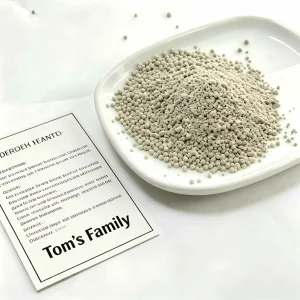
Wholesale Highly Absorbent Moisture-Proof Desiccant from China Suppliers and Factory, Fast Drying Dehumidifier for Odor Control Manufacturers, Factories

,

Product Introduction
Montmorillonite desiccant is a natural moisture-absorbing solution derived from montmorillonite, also referred to as bentonite desiccant or clay desiccant. With its chemical formula Al2O3 · 4SiO2 · nH2O, this eco-friendly product is non-toxic, non-corrosive, and biodegradable, making it an ideal choice for environmentally conscious consumers. Produced by China suppliers in a state-of-the-art factory, our montmorillonite desiccant offers unparalleled moisture control in various applications.
The principle of moisture absorption is based on physical adsorption. Montmorillonite, a layered silicate mineral, features numerous pores and exchangeable cations within its crystalline structure. The moisture absorption process begins with the drying activation of montmorillonite, expelling moisture from its pores and creating microporous structures with high surface energy. When environmental humidity exceeds that of the desiccant, these micropores effectively capture water molecules from the air through capillary action, securely locking them inside.
Our montmorillonite desiccant expands slightly upon moisture absorption—hence the term swelling—while maintaining its shape. Importantly, this process is reversible; when environmental humidity decreases, the adsorbed water can gradually be released. The desiccant can also be regenerated and reused by heating it at temperatures between 250 °C and 350 °C. Trust in our montmorillonite desiccant, produced in China, to provide effective moisture control in your products.

,

Product Description

Common Forms and Functions
1. Physical Form
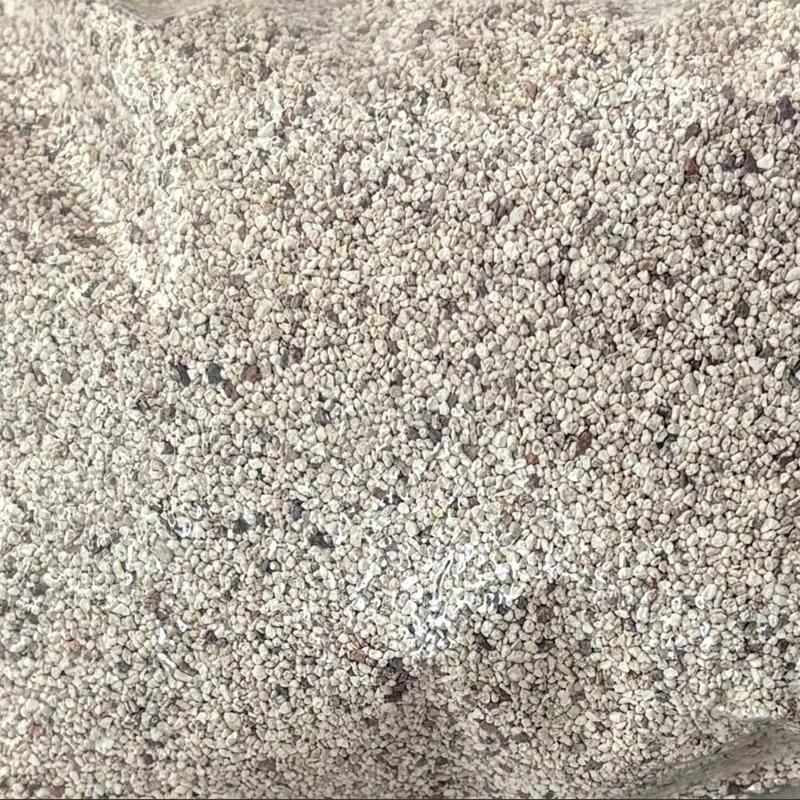
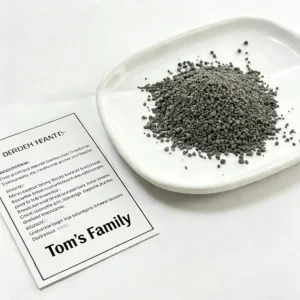
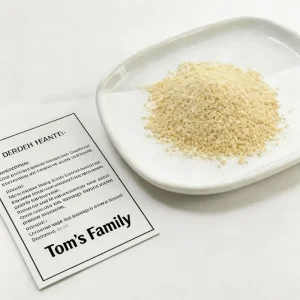
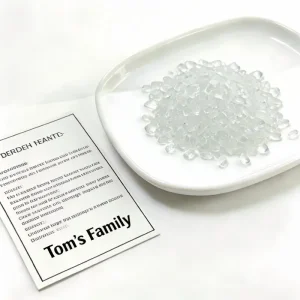
Graininess The most common form is irregular or nearly spherical small particles. Larger specific surface area and faster moisture absorption rate.
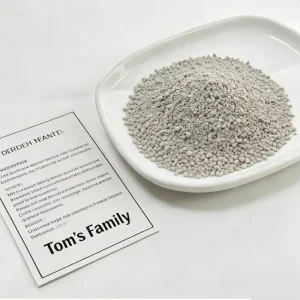
Spherical Regular balls made by granulation process. Good fluidity, beautiful appearance, more uniform filling during packaging, and less dust.
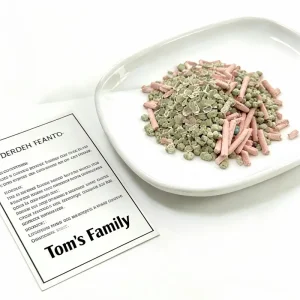
Strip / Block Shaped Rarely seen, usually used for specific devices or spaces.
2. Particle Size / Mesh Number
1–2 mm The most commonly used size, suitable for the vast majority of small packaging (such as electronic products, food bags).
2–4 mm
4–8 mm Used for slightly larger spaces such as luggage, shoe boxes, and small to medium-sized packaging boxes.
Coarse-grained (>8 mm) Less commonly used for direct packaging; powder form may be used for filling special composite materials.
Fine Powder
3. Unit Packaging Weight
This is the most direct specification parameter selected by the user, determined based on the size of the packaging container and moisture resistance requirements. Weight does not represent its performance limit, but rather a convenient packaging for standard application scenarios.
Specifications Use
Micro / Small Sized 1g | 2g | 3g | 5g | 10g Extremely small spaces such as small medicine bottles, small electronic product bags, cosmetic samples, camera lens covers, etc.
Standard Specification 20g | 30g | 50g | 100g This is the most widely used interval. Suitable for shoe boxes, handbags, toolboxes, instrument boxes, medium-sized food packaging, suitcases, etc.
Medium Size Specification 200g | 500g | 1000g Large packaging boxes, container drying rods/bags, warehouse shelves, wardrobes, small enclosed spaces (such as safes, Gun Safe).
Large / Industrial Specifications 5kg / 10kg and above (usually bagged or barreled loose materials) Used for internal filling of large equipment, large-scale container loading, moisture-proof storage of industrial raw materials, or as a raw material for recycled desiccants.
Core Functions of the Product
šŸ›”ļø 1. Safety & Environmental Protection

The raw material is natural mineral, non-toxic, odorless, and non-corrosive. After disposal, it can be treated as general waste and is harmless to the environment.

āœ” Non-corrosive — will not corrode metal or other packaging materials.
āœ” Non-toxic — suitable for food and medicine fields (must comply with relevant standards).
āœ” Compliant with EU environmental regulations such as REACH and RoHS.

šŸ’§ 2. High Hygroscopicity

Under low humidity conditions (<50% RH), its moisture absorption performance is significantly better than that of silica gel desiccant. The moisture absorption curve is gentle and stable. Saturation moisture absorption rate exceeds 50% of its own weight — 1.5Ɨ that of traditional desiccants.

ā™»ļø 3. Reversible Regeneration

After moisture saturation, most of the moisture absorption capacity can be restored through drying, making it cost-effective for repeated use.

šŸŒ”ļø 4. Good Temperature Adaptability

Performance is stable at room temperature. Moisture absorption capacity decreases at high temperatures (>50°C) — a common characteristic of physical adsorbents.

šŸ’  5. Shape Stability

During the moisture absorption process, the shape remains unchanged and will not liquefy, leak, or collapse.

šŸ’° 6. Low Price

Widely sourced raw materials — it is one of the lowest cost desiccants available on the market.

Application Fields
Field Use
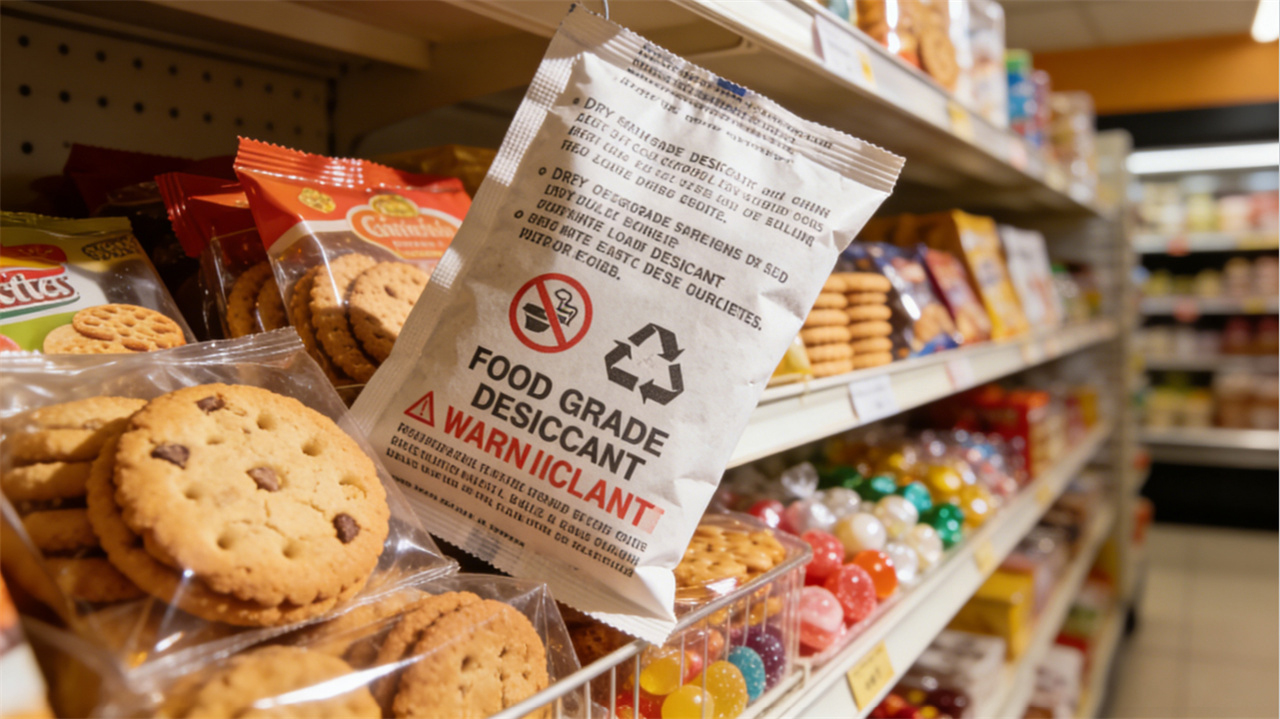
šŸ² Food Industry Packaging for snacks, dry goods, tea, seafood, etc.
šŸ‘Ÿ Clothing, Footwear & Headwear Prevent clothing, leather, and shoes from getting damp and moldy during storage and transportation.
šŸ  Household Items Gift boxes, toolboxes, storage cabinets, wardrobes, etc.
⚔ Electronic & Electrical Appliances Moisture-proof packaging for lightweight electronic products.
🚢 Storage & Transportation Container and container moisture prevention to prevent "container rain" of goods.
āš™ļø General Industrial Products Rust-proof packaging for hardware, mechanical parts, and instruments.
Comparison of Other Common Desiccants
Characteristic Bentonite Desiccant Silica Gel Desiccant Calcium Chloride Desiccant
Main Ingredient Natural bentonite Synthetic silica gel Calcium chloride
Moisture Absorption Principle Physical adsorption (reversible) Physical adsorption (reversible) Chemical adsorption (deliquescence, conversion)
Low Humidity Effect āœ… Optimal (<50% RH) Good General
Environmental Friendliness āœ… Excellent, naturally treatable Good, but it is a synthetic product Generally — solutions have weak corrosiveness
Safety āœ… High (non-toxic), safe and inert High (non-toxic), safe and inert Medium (with irritability)
Cost āœ… Minimum Medium Low (but with low unit moisture absorption cost)
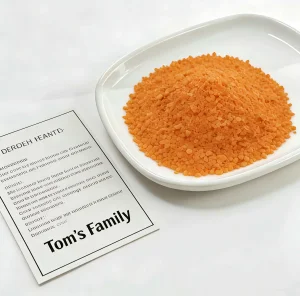
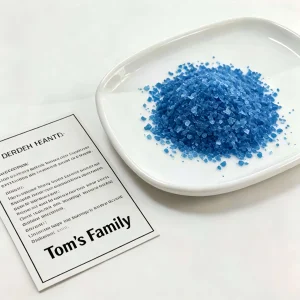
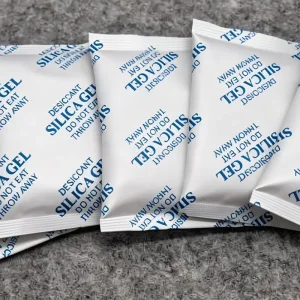
Typical Color Variation Color deepens, particles become damp Orange/Blue → Colorless/Pink Particles → Solution
Best Operating Environment Normal temperature and humidity, short-term moisture resistance Widely used, especially precision instruments High humidity environment, sealed space
product-description2
Precautions
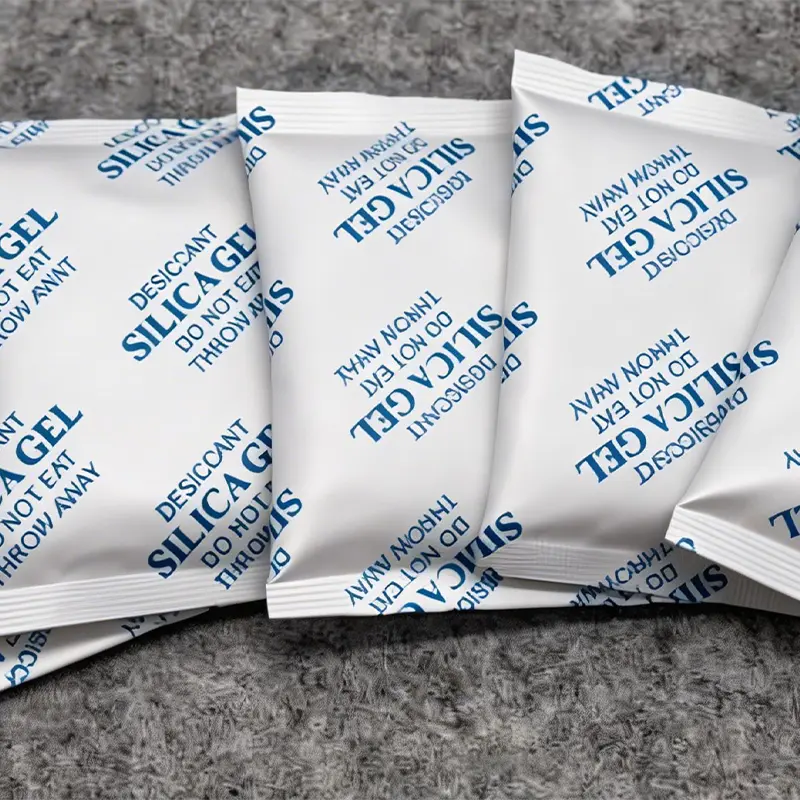
  • āš ļø 1 Not Edible: Although non-toxic, it must not be consumed. Please keep away from children to prevent accidental ingestion.
  • āš ļø 2 Avoid Damage: Damaged inner packaging (non-woven fabric or composite paper) can cause dust leakage.
  • āš ļø 3 Timely Replacement: Observe color changes of the indicator. When desiccant particles become darker, feel damp, or show a significant increase in weight, they have absorbed enough moisture and should be replaced or regenerated.
  • āš ļø 4 Sealed Environment: Desiccants can only effectively exert local dehumidification effects in relatively sealed spaces.
  • āš ļø 5 Storage: Unused desiccants should be stored in a cool, dry place and kept sealed.
? Frequently Asked Questions (FAQ)
Q What is bentonite desiccant made of, and is it safe?
A Bentonite desiccant is made from natural mineral bentonite. It is non-toxic, odorless, and non-corrosive, making it safe for use in food, pharmaceutical, and general consumer packaging. It complies with EU environmental regulations including REACH and RoHS.
Q How does bentonite desiccant compare to silica gel desiccant?
A Bentonite desiccant outperforms silica gel under low humidity conditions (<50% RH) and is significantly lower in cost. Both use physical adsorption and are reversible. Silica gel is more commonly used for precision instruments, while bentonite is ideal for everyday packaging and industrial applications.
Q Can bentonite desiccant be regenerated and reused?
A Yes. After reaching moisture saturation, bentonite desiccant can be dried (typically by heating) to restore most of its moisture absorption capacity. This makes it a cost-effective and eco-friendly choice for repeated use.
Q What size or weight of bentonite desiccant should I choose for my packaging?
A The right size depends on the volume of your packaging and moisture sensitivity. For small items like medicine bottles or electronics, 1g–10g packets are typical. For shoe boxes and handbags, 20g–100g is standard. Larger spaces like safes or wardrobes may require 200g–1000g units.
Q How do I know when the bentonite desiccant needs to be replaced?
A You can tell it's time to replace the desiccant when the granules become noticeably darker in color, feel damp or heavy to the touch, or show a significant increase in weight. Some products include a color-change indicator for easy monitoring.
Q Is bentonite desiccant suitable for food and pharmaceutical packaging?
A Yes, bentonite desiccant is suitable for food and pharmaceutical packaging, provided it meets the relevant safety and compliance standards for those industries. Its non-toxic and inert nature makes it a preferred choice for applications where safety is critical.

Related Products