 TOM'S FAMILY
Uzbekistan Pet Care Industry: The Strategic Shift to Plant-Based Hygiene
An in-depth whitepaper on macroeconomic drivers, localized consumer pain points, and technical solutions in Central Asia's fastest-growing pet market.
1. The Industrial Landscape of Pet Care in Uzbekistan
Uzbekistan is witnessing an unprecedented transition in its urban demographics. As cities like Tashkent, Samarkand, and Bukhara undergo vertical expansion with modern multi-story residential developments, pet ownership—specifically indoor feline companionship—has surged. Historically, bentonite and raw clay litters dominated the regional market due to low initial price points. However, this model is rapidly hitting ecological and structural barriers.
In municipal apartment settings, the disposal of non-biodegradable clay litter presents a major headache. Bentonite litters cannot be flushed down toilets; they clog old municipal sewage pipes and end up in landfills, creating heavy, wet waste that does not decompose. As a result, commercial distributors, large pet retail chains, and veterinary groups across Uzbekistan are actively transitioning to biodegradable, flushable plant-based litters, aligning with the country's national focus on green ecological development.
2. Localized Application Challenges: Arid Climate & Dry Air
Uzbekistan has a dry, continental climate characterized by hot summers and low humidity. This dryness exacerbates the dust problems of traditional bentonite. High airborne dust inside apartments triggers respiratory issues in both cats and their owners, including feline asthma and human allergies. Furthermore, low indoor humidity speeds up the evaporation of moisture from traditional litter tray solutions, leaving smelly, semi-dry organic residues that foster bacterial growth.
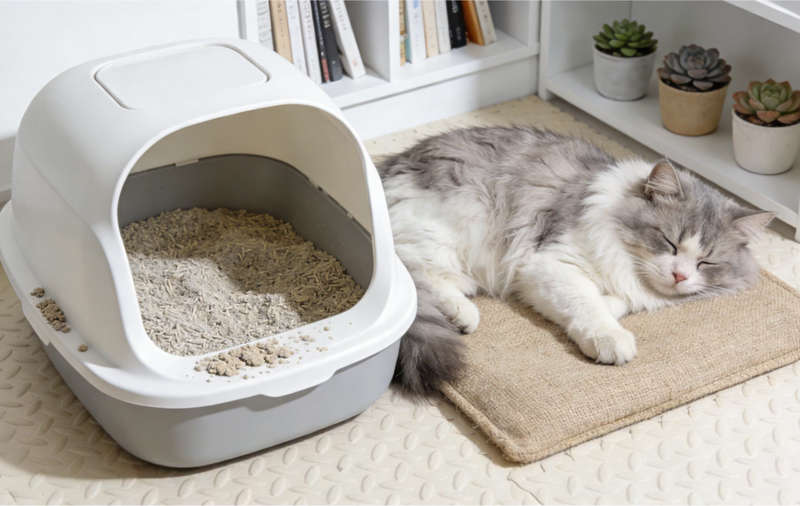
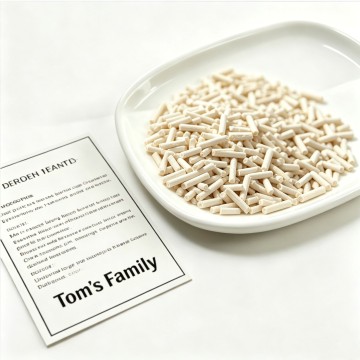
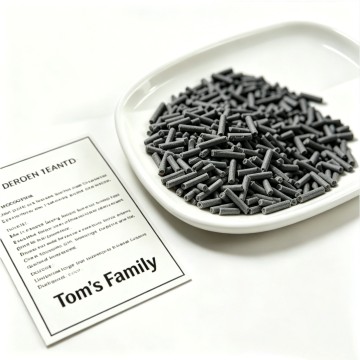
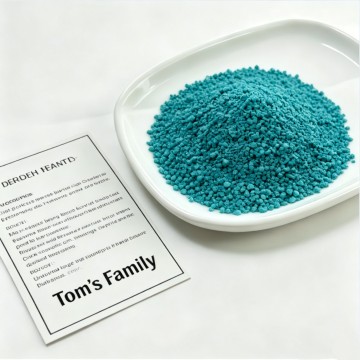
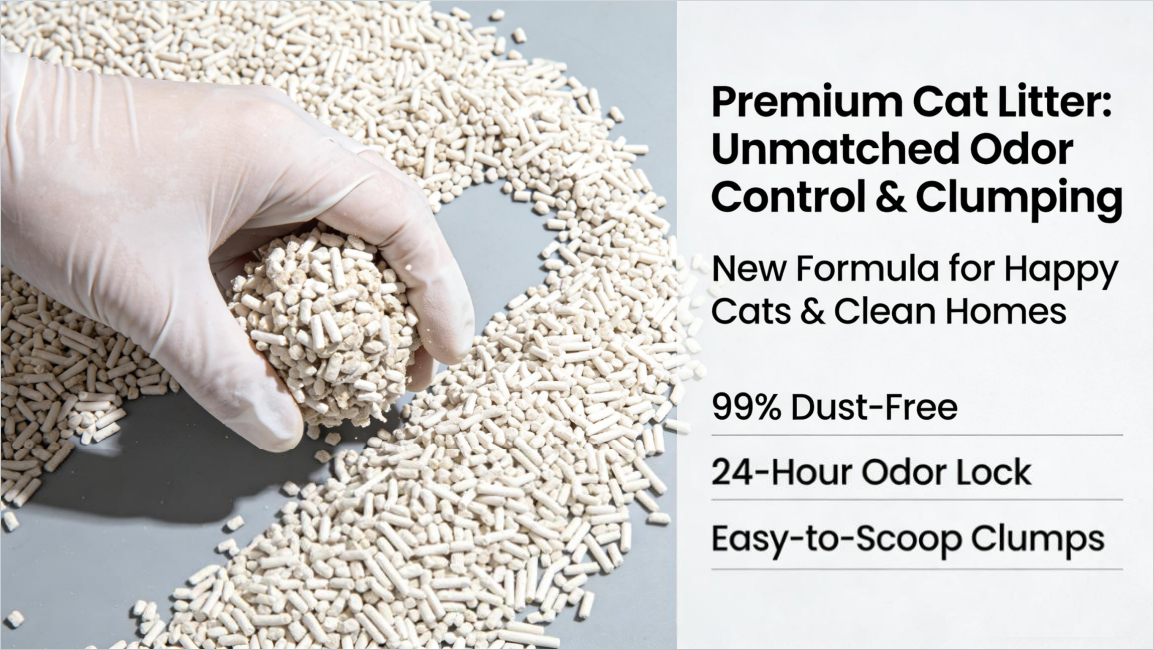
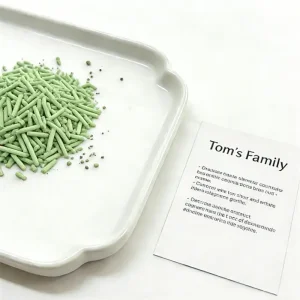
Our plant-based formulations, utilizing pea fiber, bamboo fiber, and cassava starch, solve these local challenges. The fibrous structures trap moisture via physical capillaries before evaporation occurs. This keeps odors sealed within a tight clump. By stripping out the dust through multi-phase air-purification during manufacturing, our litter maintains indoor air quality—a crucial selling point for the health-conscious urban middle class in Uzbekistan.
Dry Climate Odor Trap
Our advanced capillary fiber technology traps ammonia gas molecules at the molecular level, preventing smells from dispersing in dry indoor environments.
99.9% Dust-Free Process
Dual-cyclone dust extraction ensures zero trackable residue, protecting sensitive feline airways in closed, heated winter apartments.
Sewage-Safe Flushability
Rapid dissolution in water prevents clogging, offering a convenient disposal option for high-density apartments in Tashkent.
3. Technical Roadmap: Raw Material Chemistry & Clumping Mechanics
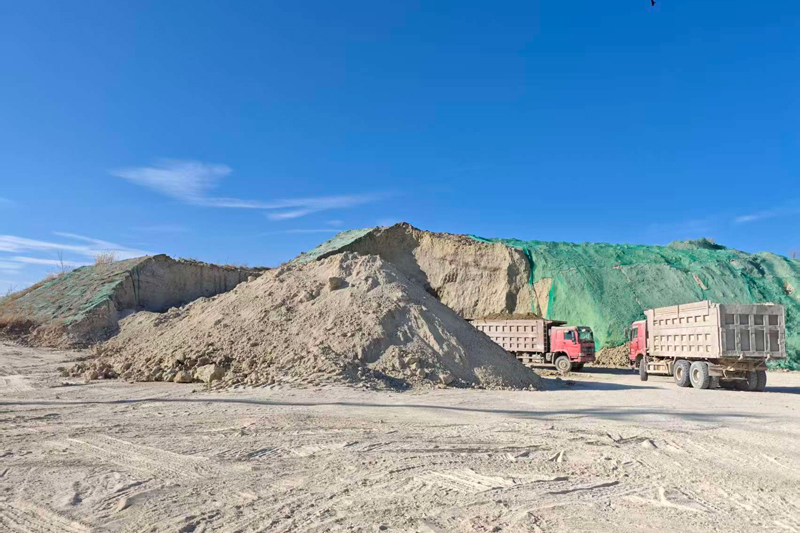
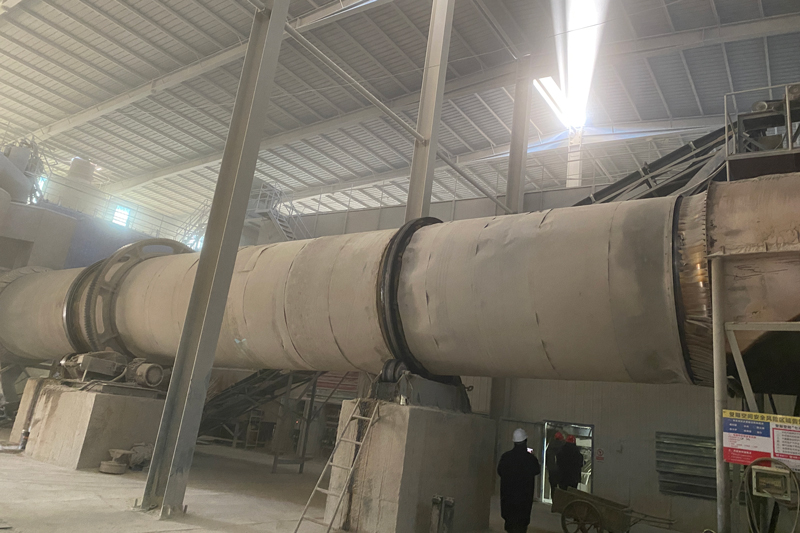
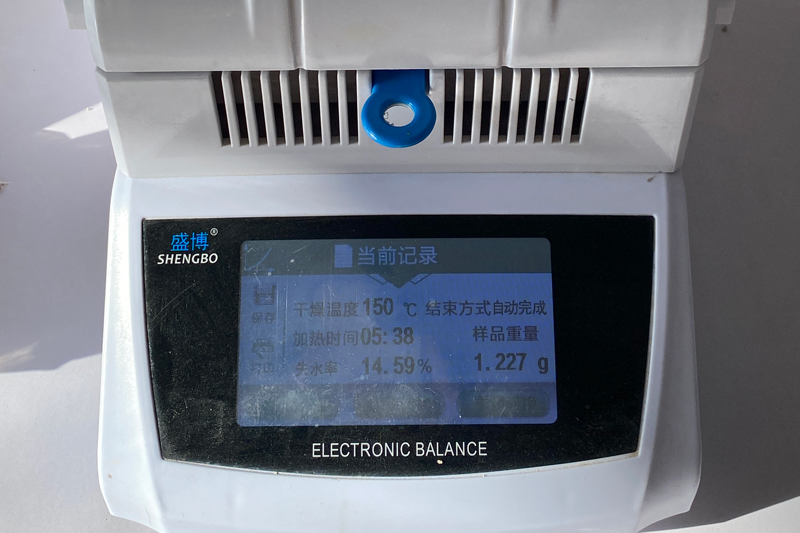
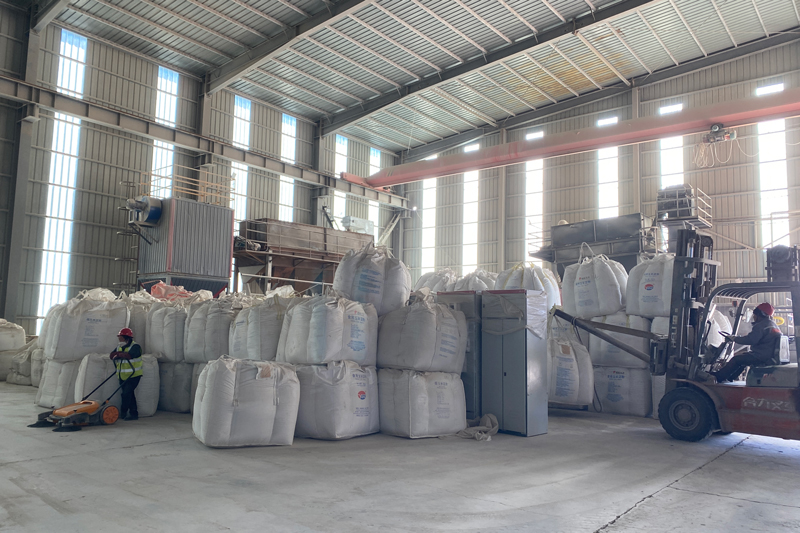
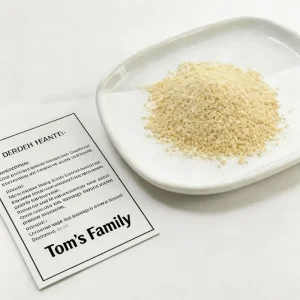
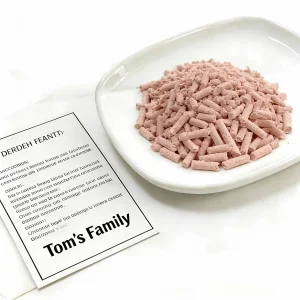
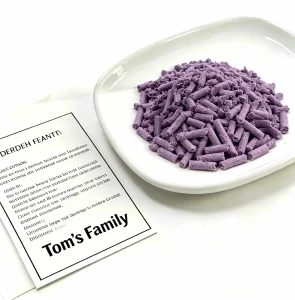
The manufacturing process at our state-of-the-art facilities centers on organic raw materials: pea fiber, corn starch, bamboo fiber, and cassava starch. Unlike clay, which relies on strip-mining, these materials are renewable agricultural by-products, ensuring a sustainable supply chain.
At the micro-level, clumping occurs through starch gelatinization and hydrogen bonding. When liquid meets the plant fibers, the starch molecules hydrate, forming a sticky matrix that binds the fibers together. By adjusting the ratio of cassava to pea fiber, we achieve different clumping speeds and hardness levels. Our R&D team can customize these parameters to meet the specific requirements of pet brands in Uzbekistan.
4. China-Uzbekistan Supply Chain: Rail Freight & Direct Customs Clearance
A key hurdle for Uzbekistan pet supply importers is logistics. Being double-landlocked makes sea shipping impossible. Our group addresses this via the China-Central Asia railway network. We load containers directly at our factory, shipping through the Khorgos/Alashankou pass directly to the Chukursay railway station in Tashkent. This rail link cuts transit times to just 12 to 15 days, compared to the 35+ days typical for multimodal sea-land routes.
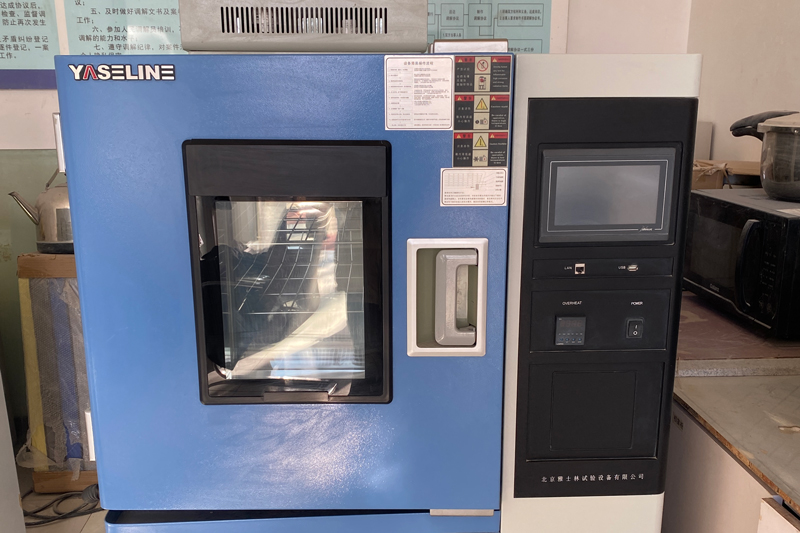
Additionally, we handle all phytosanitary certifications and export documents required by the Republic of Uzbekistan (Uzstandard). Every batch is tested for heavy metals, mold, and pathogens, ensuring quick customs clearance at the border.