 TOM'S FAMILY
Nagoya Pet Industry Landscape: Challenges of Compact Living
Nagoya, the capital of Aichi Prefecture, stands as one of Japan's most critical industrial hubs. With a population dense urban environment characterized by multi-family residential complexes and strict municipal waste laws, the demands placed on cat litter products are uniquely high. Unlike larger Western regions, Japanese apartments ("mansions") have restricted airflow and limited storage spaces, highlighting a major market demand: immediate odor neutralization and low-waste footprint.
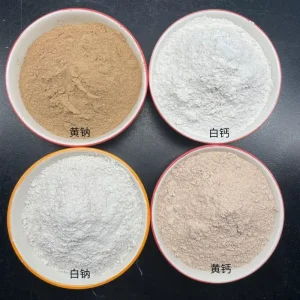
Furthermore, Nagoya's municipal rules require clear classification of domestic waste. Cat owners are faced with strict schedules for combustible vs. non-combustible waste collection. This has triggered a profound industrial shift toward water-soluble, biodegradable, and high-efficiency mixed cat litters (primarily consisting of tofu-bentonite hybrids). Plant fiber-based components allow for flushable disposal, while sodium bentonite ensures fast clumping, keeping the remaining litter pristine and extending its lifecycle.
Global Commercial Trends: The Rise of Mixed Cat Litter
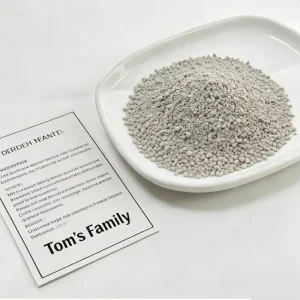
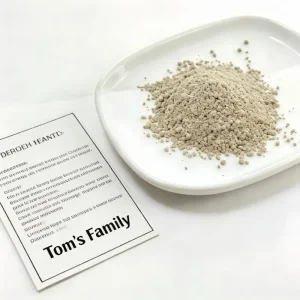
The global cat litter market, valued at over USD 4.2 billion, is transitioning away from single-source clay options. Historical raw materials such as plain calcium bentonite or untreated silica gel no longer meet the expectations of modern, eco-conscious consumers. The current gold standard in B2B pet product sourcing is the "Mixed Cat Litter"—a scientifically calculated hybrid of natural sodium-based bentonite and organic plant fibers (such as pea tofu, cassava, or bamboo).
This hybrid approach addresses the inherent limits of individual materials:
- Pure Bentonite: High clumping capacity, but heavy, dusty, non-biodegradable, and prone to tracking.
- Pure Tofu/Plant Fiber: Biodegradable and lightweight, but slower in liquid absorption and prone to mold in humid climates like Nagoya's summers.
- Hybrid / Mixed Litter: Combines the rapid hydration and low tracking of tofu with the instant, solid clumping of bentonite.
| Litter Material | Clumping Speed | Odor Control | Dust Levels | Eco-Friendliness |
|---|---|---|---|---|
| Traditional Bentonite | 1 - 3 seconds | Moderate | High (unless highly processed) | Low (clay mining impact) |
| Tofu / Cassava Fiber | 3 - 5 seconds | Moderate-High | Extremely Low | High (biodegradable) |
| Premium Mixed (Tofu + Clay) | < 2 seconds | Exceptional (with active carbon) | Negligible (<0.1% dust) | High (highly flushable) |
China-to-Nagoya Supply Chain: The Manufacturing Advantage
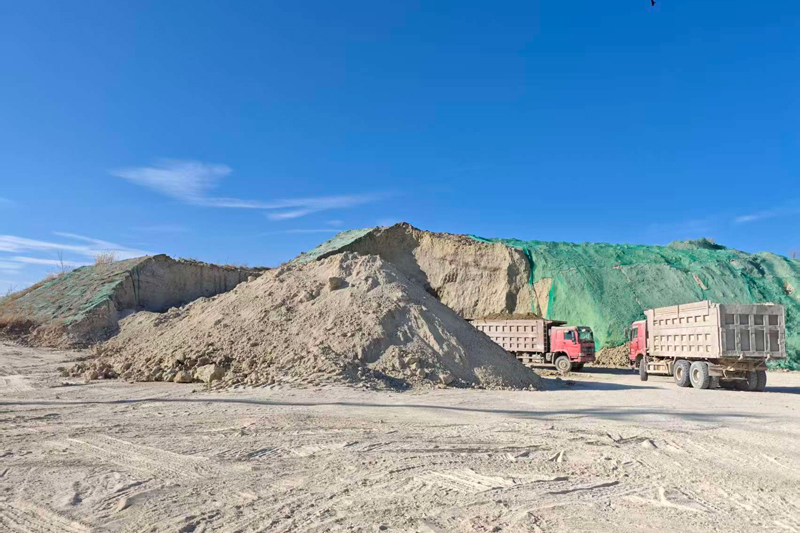
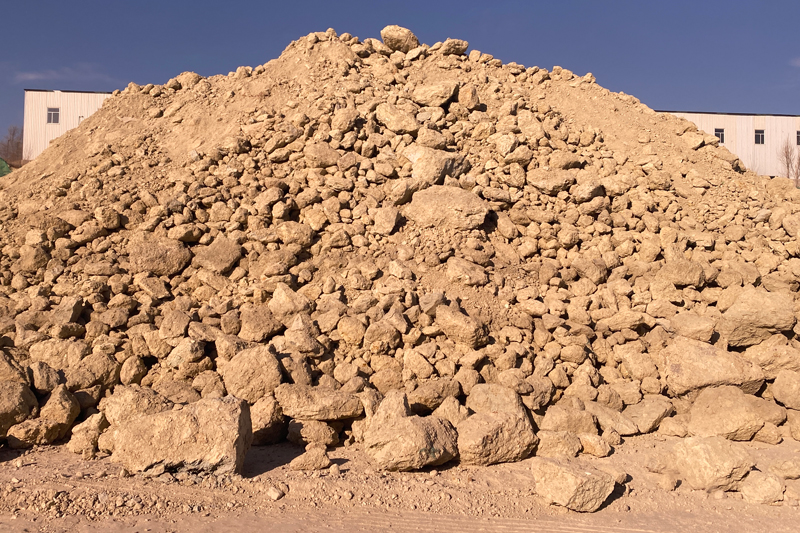
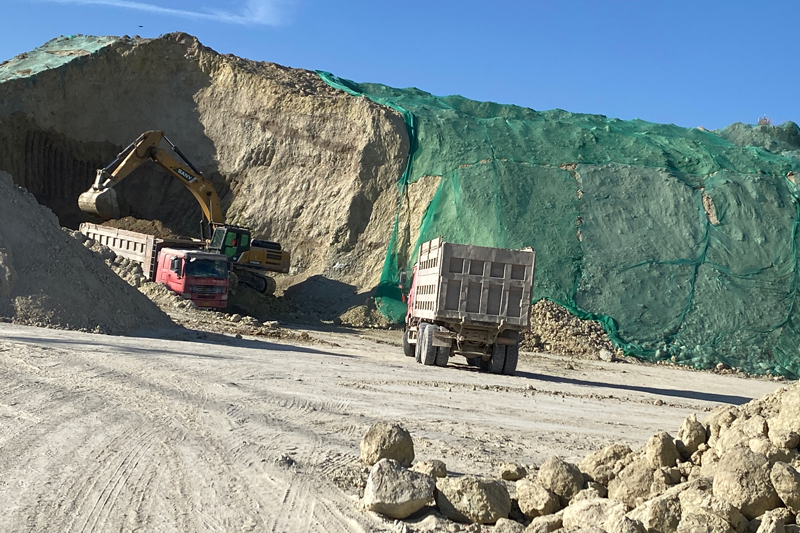
As a prominent arm of the Shengyu Group, Tom’s Family leverages China’s manufacturing capital and strategic raw material locations. Inner Mongolia’s bentonite deposits yield highly cohesive sodium-based clay, which we pair with eco-friendly agricultural fibers from Shandong Province. This proximity guarantees premium, low-cost raw materials.
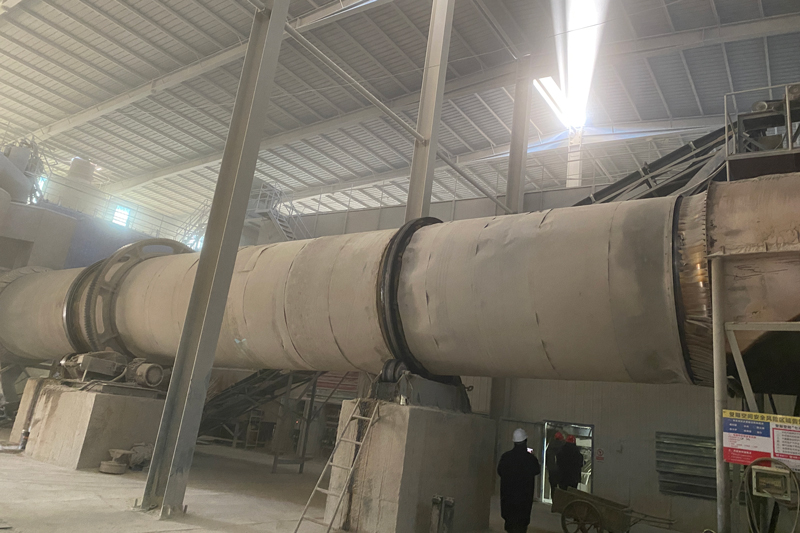
Our factories operate fully automated packaging and dust-removing systems. Through triple-filtration processes, we achieve a practically dust-free product, mitigating feline respiratory issues. Nagoya pet distributors benefit from efficient shipping lanes: cargo shipped from Qingdao or Tianjin ports arrives at Nagoya Port in just 4 to 6 days, offering rapid replenishment and reduced storage costs.
Industrial OEM & ODM Customization Workflows
We supply diverse B2B clients, from local Japanese private brands to multinational pet supermarket networks. Our production lines support detailed OEM/ODM requirements:
- Bespoke Proportions: Standard 70% tofu + 30% bentonite mix, or custom ratio adjustments depending on budget.
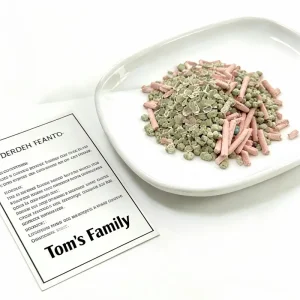
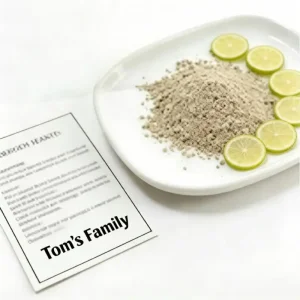
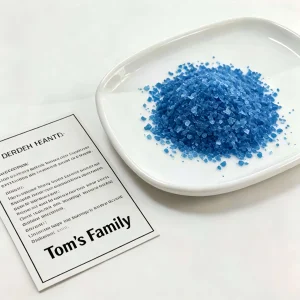
- Active Odor-Control Ingredients: Options to embed activated carbon, zeolite, diatomaceous earth, or scented crystals (lemon, apple, ocean) to capture volatile organic compounds (ammonia, hydrogen sulfide).
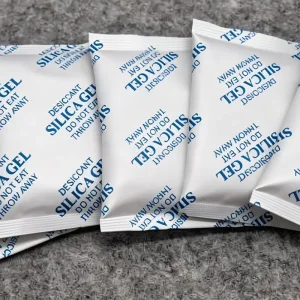
- Vacuum-Sealed Packaging: Essential for Nagoya’s damp summer months to stop ambient moisture absorption before use.