China Top 10 Portable Cat Litter Suppliers for Global Buyers

Time:2026-11-06 Author:Liam
0%

Portable Cat Litter is designed for travel, temporary stays, and homes where compact storage matters. For global buyers, choosing a supplier involves more than comparing product photos or unit prices. Absorbency, odor control, dust levels, packaging strength, and consistency between batches all affect the end-user experience. Small details matter. A bag that splits in transit can undermine an otherwise promising product.

This guide introduces ten China-based suppliers for buyers exploring portable litter options. It offers a starting point for research, not a guarantee that every supplier will suit every business. Product lines, production capacity, and export experience can change, so buyers should confirm current information directly. Ask for recent specifications, clear product photos, samples, and written details about minimum order quantities and lead times. Where possible, compare samples under similar conditions. Check the litter’s texture, handling, and packaging after opening. A brochure cannot answer everything.

Reliable sourcing takes careful questions. Buyers should also review quality-control practices, communication responsiveness, packaging options, and the documents relevant to their shipment and destination. These checks help clarify expectations before an order is placed. Still, no checklist removes all uncertainty. A supplier may perform well on one order and differently on the next; ongoing communication and inspection planning remain important. The profiles that follow are intended to help narrow the field and support a more informed supplier conversation. Judge fit, not just rank.
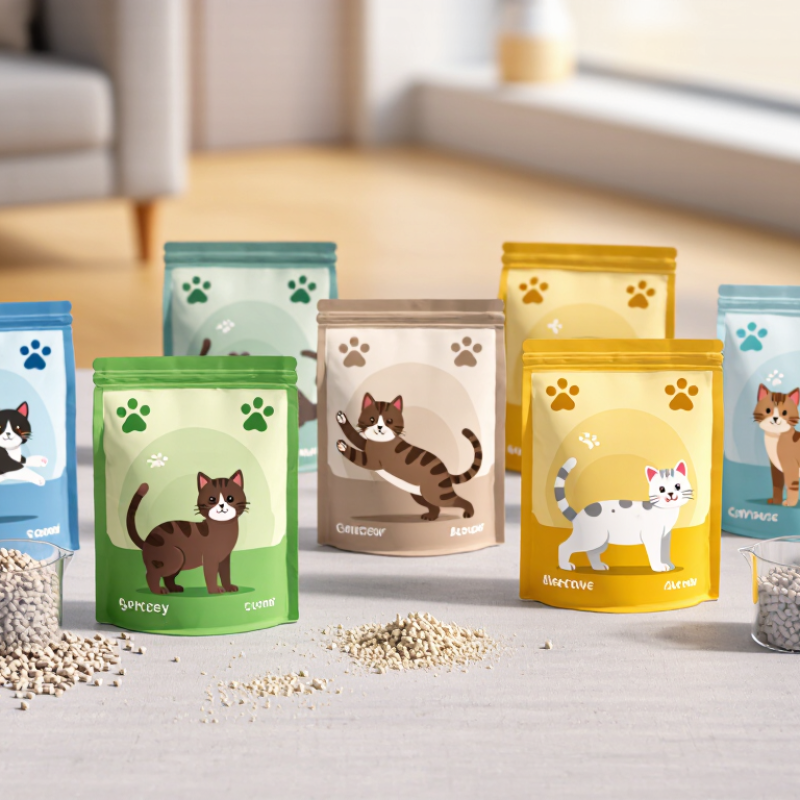
China Top 10 Portable Cat Litter Suppliers for Global Buyers

Portable Cat Litter: Product Types, Materials, and Market Overview

Portable cat litter is designed for short trips, temporary stays, and compact storage. Common formats include refill bags, sealed sachets, and travel kits with foldable trays. Clumping formulas make scooping easier, while non-clumping options can suit brief outings. Lightweight litter is convenient, but very fine grains may scatter around a car mat. Small details count.

Materials vary by product. Mineral litter, such as bentonite or silica-based granules, offers familiar handling, though weight and dust levels differ. Plant-based blends may use wood, paper, or other fibers; absorption depends on processing, not just the raw material. Buyers comparing Chinese suppliers can request product specifications, sample packs, and batch consistency details. Packaging also matters: check moisture resistance, seal quality, and net weight. A neat label cannot prove performance.

Tips: Test a pack during an actual outing. Check for leakage, dust, and how quickly the litter absorbs moisture. Compare usable volume, not just package size. There is no universal best choice; cats can be fussy, and travel conditions vary.

Key Criteria for Evaluating Chinese Portable Cat Litter Suppliers

Evaluating a Chinese portable cat litter supplier starts with the product, not a polished catalog. Ask for current specifications and check packed dimensions, filled weight, leak resistance, handle stitching, and closure strength. Request a sample, then test it with the litter type and load you expect to ship. Small details matter. Look for clear material data, odor-control claims supported by test records, and practical cleaning or replacement instructions. A vague answer is useful information, too.

Production consistency deserves equal attention. Compare sample units with a pilot order, then inspect seams, liners, zippers, and carton protection across several pieces. Ask how defects are recorded, which inspection checkpoints are used, and how product changes are approved. Review capacity, lead times, minimum order quantities, and packaging options in writing; seasonal peaks can disrupt a good schedule. Confirm that export documents and product descriptions match the actual goods, and agree on an inspection plan before shipment. Communication is a real criterion. Note response time and whether answers include measurements, photos, and corrective steps. No supplier is flawless. A tidy sample can still hide variation at scale, so leave room for a second check.

China’s Top 10 Portable Cat Litter Suppliers for Global Buyers

China’s Top 10 Portable Cat Litter Suppliers for Global Buyers

Finding a suitable portable cat litter supplier in China takes more than comparing prices. Buyers should check product materials, packaging options, production capacity, and export experience. A compact bag may look convenient online, but its seal and handle matter during shipping and daily use. Ask for samples in the intended package size. Then test whether the litter pours cleanly and whether the packaging stays intact after handling.

A shortlist of ten suppliers is a starting point, not proof of quality. Request clear specifications, current product photos, and written details about minimum order quantities and lead times. Compare samples under the same conditions, especially for dust, odor control, and ease of disposal. Claims can sound similar. Evidence may not. Confirm that packaging labels and product documents match the goods being quoted, and agree on inspection steps before production. Even careful checks have limits; a sample cannot show how every batch will perform. I would leave room for that uncertainty when planning a first order.

Supplier Capabilities: Product Range, Customization, and Pricing

A portable cat litter product may be a foldable tray, a travel kit, or a compact disposable option. Suppliers differ in material thickness, edge height, leak resistance, and packing format. These details affect daily use. A thin base may feel convenient in a suitcase but can shift on a car floor. Ask for measurements, weight, cleaning instructions, and sample photos before comparing product ranges.

Customization can cover dimensions, fabric or plastic choices, color, printed packaging, and included accessories such as a scoop or liner. Some changes require new tooling or a larger minimum order. Keep the request specific: provide target dimensions, expected order quantity, and retail packaging needs. Ask whether sample approval is possible before production. Details matter. Scent or odor-control claims should be supported with clear product information, not vague promises.

Pricing usually reflects material, construction, order volume, customization, packaging, and freight terms. A low unit price can exclude setup costs or protective packing, so request an itemized quotation. Compare like with like, including sample charges and estimated production time. Buyers sometimes focus too heavily on appearance; portability also depends on packed size, closure quality, and how easily the tray can be cleaned. That trade-off is easy to miss.

China Portable Cat Litter Suppliers: Buyer Evaluation Priorities

Suggested weighting for comparing supplier capabilities—not audited data or rankings of individual suppliers.

This illustrative scorecard assigns the largest share to product range and customization, while also accounting for pricing, quality documentation, and order flexibility. Adjust the weights to suit your product requirements, target market, and purchasing volume.

Export Requirements, Shipping, and Supplier Verification

For portable cat litter, export preparation starts with the exact product composition and destination market. Mineral, paper, and plant-based materials may face different documentation or import checks. Ask the supplier for a current product specification, ingredient details, safety data where applicable, and test reports linked to the actual product batch. Confirm requirements with the destination’s official guidance or a qualified customs broker; rules can change.

Check the shipping details before placing a large order. Request carton dimensions, gross weight, pallet pattern, and loading photos. These affect freight costs and how much product fits in a container. Agree in writing on the Incoterms, shipment schedule, packaging standard, and responsibility for export documents. Moisture protection matters. A few damp cartons can damage product quality. Ask for a pre-shipment inspection and retain sealed samples for comparison, though samples may not represent every production run.

Supplier verification needs more than a polished website. Check business registration, factory location, production capacity, and references from buyers in comparable markets. Review certificates for scope, issuer, and expiry date rather than accepting a logo alone. If possible, arrange a video walkthrough or independent factory audit. Paperwork can look complete and still leave gaps. I would also verify that the legal seller, payment beneficiary, and shipping documents show consistent company details before sending funds.

China Top 10 Portable Cat Litter Suppliers for Global Buyers - Export Requirements, Shipping, and Supplier Verification

The entries below are product-focused supplier categories, not named companies or a verified ranking. Product availability, export eligibility, specifications, and documentation should be confirmed directly with each prospective supplier and the relevant authorities in the destination market.

No. Supplier Category Portable Product Formats Buyer Fit Supplier Verification Checks Export and Shipping Considerations
1 Bentonite clumping litter producer Small retail bags, resealable packs, sample packs Buyers seeking familiar clumping litter for household use or travel-sized retail assortments Request a current product specification, safety data sheet where applicable, batch certificate of analysis, and test results for clumping, dust, and moisture. Mineral litter can be dense and costly to ship relative to its value. Compare packed weight and carton dimensions; confirm product classification and import requirements with a customs broker.
2 Silica gel crystal litter producer Compact bags, trial packs, individual-use packs Buyers looking for a lightweight-looking, absorbent litter format for small retail packs Check crystal composition, particle-size consistency, dust controls, packaging integrity, and the applicable safety documentation. Confirm the correct customs classification based on composition and intended use. Use moisture-resistant packaging and verify that the chosen transport and destination rules accept the product.
3 Tofu-based litter producer Compressed pellets, small resealable bags, sample cartons Buyers seeking plant-based litter in compact, easy-to-carry packs Verify ingredient disclosure, batch consistency, moisture and microbial controls, pellet durability, and claims about flushability or biodegradability. Plant-derived materials may be subject to destination-specific import or biosecurity controls. Confirm requirements before shipment; avoid relying on marketing claims as proof of approval.
4 Other plant-fiber litter producer Compressed granules, pellets, travel packs Buyers comparing alternative plant-based materials and lower-volume consumer packs Request the full ingredient and processing description, contaminant controls, performance test methods, and evidence supporting environmental claims. Plant-material import rules vary by product and destination. Ask the importer or broker whether inspection, permits, or additional declarations apply.
5 Recycled-paper litter producer Lightweight pellets, small bags, disposable-use packs Buyers seeking a paper-based option for portable use or households preferring low-dust formats Check recycled-material sourcing, cleanliness controls, moisture resistance, pellet strength, and lot-level quality records. Protect cartons from moisture during storage and transit. Confirm whether the destination requires specific declarations for recycled or processed paper products.
6 Wood or pine-pellet litter producer Compressed pellets, compact bags, trial packs Buyers seeking a wood-based litter format with reduced-volume packaging options Verify wood species, additives or binders, processing method, dust level, and any claims relating to treatment or chemical-free production. Wood products can trigger destination-specific plant-health or import rules. Confirm the product’s processing status and required documents before booking shipment.
7 Corn-based litter producer Granules or pellets in small bags and sample packs Buyers seeking a grain-derived option for specialty or eco-oriented retail channels Request ingredient specifications, batch traceability, moisture controls, and testing for relevant contaminants and product performance. Because the product is plant-derived, check destination biosecurity and import requirements. Ensure product descriptions and customs documents accurately state its composition.
8 Blended-material litter producer Mixed granules or pellets in compact retail packaging Buyers seeking a balance of absorbency, clumping, weight, or price across different materials Obtain the complete formulation or material breakdown, tolerances, batch records, and test data for performance and consistency. Classification and import checks depend on the blend’s actual composition. Confirm the declared materials match the product and supporting documents.
9 Portable litter-kit assembler Travel kits combining litter, a disposable tray, scoop, or liner Buyers seeking a ready-to-use product for travel, temporary housing, or emergency kits Verify each component’s material, dimensions, packaging, and supplier traceability. Review labeling and safety information for the complete kit. List kit components accurately on the commercial invoice and packing list. Confirm whether different components require separate customs classifications or declarations.
10 Private-label litter contract manufacturer Buyer-specified small packs, samples, and retail-ready multipacks Importers seeking custom packaging, private-label production, or consolidated product assortments Audit production capability, quality-control procedures, traceability, packaging proofs, sample-to-batch consistency, and change-control processes. Agree on export responsibilities, carton marks, labeling, document preparation, and inspection terms in writing. Verify commercial invoice, packing list, transport document, and any origin documents required for the shipment.

FAQS

What should buyers check before choosing a portable cat litter supplier?

Start with current specifications, not a polished catalog. Check packed dimensions, filled weight, leak resistance, handle stitching, and closure strength.

Why is testing a sample important?

Test it with the litter type and load you expect to ship. Check whether litter pours cleanly and the package stays intact after handling. Small details matter.

How can buyers assess production consistency?

Compare samples with a pilot order. Inspect seams, liners, zippers, and carton protection across several pieces. One sample is not enough.

What information should buyers request in writing?

Request capacity, lead times, minimum order quantities, and packaging options. Also ask how defects are recorded and product changes approved.

How should odor-control and material claims be evaluated?

Ask for clear material data and test records supporting odor-control claims. Similar claims can sound convincing. Evidence may be limited.

What should buyers check before shipment?

Confirm export documents and product descriptions match the actual goods. Agree on inspection steps before production, then leave time for a second check.

Can communication help evaluate a supplier?

Yes. Note response times and whether replies include measurements, photos, and corrective steps. A vague answer can be useful information.

Does a good sample guarantee every order will perform well?

No. A tidy sample may hide variation at scale. I might be overcautious, but planning another inspection seems sensible.

Conclusion

This guide provides global buyers with a practical overview of Portable Cat Litter, including common product types, material options, and key market considerations. It explains how to assess Chinese suppliers by looking at product quality, manufacturing capacity, communication, customization options, pricing transparency, and consistency of supply. The article also outlines a structured way to compare ten suppliers without relying on brand claims, helping buyers identify partners suited to their product and sourcing requirements.

Beyond supplier selection, the guide discusses product range, private-label and packaging customization, and the factors that can affect quoted prices. It also introduces essential export planning steps, such as confirming documentation, estimating shipping timelines and costs, checking samples, and verifying supplier information. Together, these points help buyers make informed sourcing decisions and reduce avoidable uncertainty when purchasing Portable Cat Litter from China.


Liam

Liam

Liam is a dedicated marketing professional with a profound expertise in the industry, where he excels at highlighting the unique advantages of our core products. With a keen understanding of market trends and consumer needs, Liam frequently updates our company’s professional blog, providing......