As the demand for eco-friendly solutions grows, the natural cat litter market is expanding rapidly. By 2026, the global market for natural cat litter is projected to reach a staggering $1.2 billion. This growth is driven by the increasing awareness of pet owners about environmental sustainability and the safety of their feline companions. Experts highlight that "Natural Cat Litter is not just a trend; it’s a necessity for a healthier planet," asserts Dr. Lisa Mantel, a renowned veterinarian and environmental advocate.
Natural cat litter options come in various forms, including wood, corn, and recycled paper. Each type offers unique benefits, from improved odor control to better biodegradability. However, pet owners face challenges in choosing the right product, given the variety of options. The industry struggles with inconsistent quality and misleading marketing tactics. Some brands fail to deliver on their eco-friendly claims, leading to consumer frustration.
Despite these uncertainties, the positive shift towards natural products is undeniable. With more brands committed to transparency, informed choices will lead to a brighter future for both pets and the environment. Felines can enjoy a cleaner, healthier space, and owners can feel responsible about their choices.
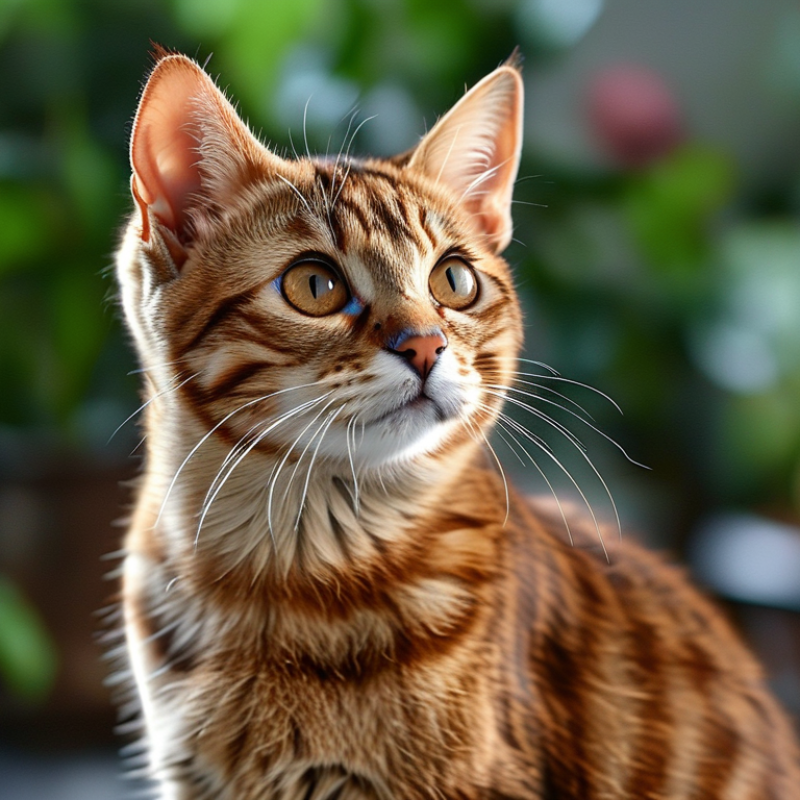
As the demand for eco-friendly products rises, natural cat litter options are thriving in 2026. Reports indicate that over 60% of cat owners now prefer sustainable materials. This shift is driven by increased awareness of environmental issues. Pet owners are seeking alternatives to conventional clumping litters, which can contain harmful chemicals.
Wood-based litters, such as pine and cedar, have gained popularity for their biodegradable nature. These types eliminate odor effectively while being gentle on the environment. According to a recent survey, about 40% of pet parents are experimenting with these options. Moreover, corn-based litters are also trending. They are made from renewable resources and offer good clumping abilities, although some users report a tendency for dust.
There are challenges too. Some brands struggle with consistency in absorption and clumping. Factors such as moisture levels and storage conditions can affect performance. Additionally, price sensitivity remains an issue. Consumers often weigh quality against cost. As the market evolves, manufacturers must improve product effectiveness while maintaining affordability. Balancing these aspects will be crucial for capturing a broader audience in the natural cat litter segment.
Natural cat litter has gained popularity among pet owners due to its numerous benefits. A report from the Pet Industry Association indicates that over 40% of cat owners are switching to natural options. One major advantage is the absence of harmful chemicals found in traditional litters. Natural litters are often made from materials like wood, corn, or wheat. This can lead to a safer environment for pets and families.
Another key benefit is the improved health of cats. Studies suggest that some synthetic litters can cause respiratory issues in cats. Natural options tend to produce less dust and allergens. A survey of veterinarians showed that 70% recommend using natural litter for its health benefits. Additionally, many natural litters are biodegradable, making them environmentally friendly.
While natural cat litters provide significant advantages, it's essential to address some concerns. They can be more expensive than traditional options. Some users report that they do not clump as well, making cleanup more challenging. The performance can vary by brand or type, leaving some pet owners frustrated. Balancing cost and effectiveness is a common dilemma.
When considering natural cat litter options, sustainability is a significant factor. Many consumers want environmentally friendly products. Traditional clay litters often contribute to environmental degradation. They require extensive mining, harming ecosystems. In contrast, natural litters often utilize renewable resources. Materials like recycled paper, wheat, and corn are popular choices. These options promise a smaller environmental footprint.
It's essential to recognize that not all natural litters are equal. Some may break down faster than others, affecting their lifecycle impact. While they seem eco-friendly, improper disposal can negate benefits. Landfills are overburdened, and many litters don’t decompose easily. Furthermore, manufacturers may not always disclose their sourcing practices. Transparency is crucial in identifying truly sustainable products.
Consumers must educate themselves about what they choose. Research on sourcing and manufacturing processes is vital. Reading labels helps in understanding the environmental impact. It might not be easy, and sometimes misleading claims arise. However, questioning and reflecting on choices can lead to better decisions. The market is evolving, and awareness is key for positive change.
In 2026, the market for natural cat litter will feature a variety of options that cater to both environmentally conscious consumers and their feline companions. Many buyers seek products that are biodegradable and non-toxic. These options often reduce waste in landfills. Brands generally use materials like corn, wheat, and recycled paper. Each material has its pros and cons.
Corn-based litters clump well but may attract pests. Wheat options are natural and effective but can be pricier. Recycled paper litters excel in absorbency, yet some users report they lack clumping ability. Consumers battle between performance and environmental impact. The best choice often varies based on personal values and pet preferences.
Research highlights that not all natural litters are created equal. Some perform better in odor control, while others may require more frequent changes. Monitoring your pet's reaction is crucial. If your cat seems hesitant, it could indicate an issue with texture or scent. Ongoing evaluation of products can enhance both pet comfort and buyer satisfaction. Adapting to feedback helps in making informed purchasing decisions.
The demand for natural cat litter options has surged in recent years. A recent report from Pet Industry Insights indicates that 45% of cat owners now prefer eco-friendly products. This shift stems from concerns about sustainability and pet health. As consumers become more conscious of their purchases, they tend to seek out biodegradable materials that minimize environmental impact.
Many buyers are now gravitating towards plant-based litters. The top choices include corn, wheat, and wood-based options. A survey revealed that 62% of cat owners find clumping litter made from natural materials more appealing. These options also tend to control odors effectively. However, some products do not clump as well as traditional clay litters. This inconsistency can lead to dissatisfaction among users who prioritize performance.
Price remains a significant factor in consumer choices. Natural litters often come with a higher price tag. Only 30% of respondents in a recent study expressed willingness to pay more for eco-friendly products. This reflects a lingering concern among consumers regarding affordability versus sustainability. More education on the benefits of natural litters is needed to shift perceptions further. Engaging pet owners about the long-term advantages of using natural options may help bridge this gap.
| Litter Type | Material Base | Biodegradability | Absorbency Rating | Average Price (per kg) | Consumer Rating (out of 5) |
|---|---|---|---|---|---|
| Corn-Based | Corn Kernels | Yes | 8/10 | $2.50 | 4.5 |
| Wheat-Based | Wheat Granules | Yes | 7/10 | $2.10 | 4.3 |
| Paper-Based | Recycled Paper | Yes | 6/10 | $1.80 | 4.0 |
| Coconut-Based | Coconut Husks | Yes | 9/10 | $2.75 | 4.7 |
| Pine-Based | Pine Pellets | Yes | 8/10 | $2.30 | 4.4 |
: Wood-based litters, like pine and cedar, and corn-based options are popular. They are biodegradable and eco-friendly.
Many cat owners are concerned about the environment and prefer sustainable materials. Awareness has increased significantly.
No, some natural litters may lack consistency in clumping and absorption. Users may experience varying results.
Moisture levels and storage conditions can impact how well the litter absorbs and clumps.
Not necessarily. Some may break down quickly, while improper disposal can negate their benefits. Awareness is key.
Researching sourcing practices and reading labels helps determine the environmental impact of cat litter choices.
Yes, many consumers feel that natural litters are more expensive. Affordability versus quality remains a significant issue.
62% of cat owners find clumping natural litter appealing, but some products may not perform as well as traditional options.
Educating themselves and questioning labeling claims can lead to better decisions regarding sustainable products.
Using eco-friendly litters can lessen environmental impact, but consumers need to understand and reflect on these benefits.
In 2026, the market for Natural Cat Litter continues to expand, offering a variety of options that cater to the preferences of global buyers. This article provides an overview of different types of natural cat litter available, highlighting their key benefits, such as absorbency and odor control. Pet owners are increasingly favoring natural options for their eco-friendly attributes, emphasizing sustainability and reduced environmental impact compared to traditional litter.
Moreover, the comparative analysis delves into consumer preferences, revealing trends that showcase a growing demand for biodegradable materials and plant-based litters. As awareness of environmental issues rises, more pet owners are making informed choices about the products they use, thus influencing the natural cat litter market. Understanding these dynamics is crucial for stakeholders aiming to meet the evolving needs of cat owners worldwide.

TOM'S FAMILY