China Top Bulk Cat Litter Manufacturers for Global Buyers

Time:2026-09-20 Author:Charlotte
0%

For global buyers, choosing a reliable China supplier requires more than comparing prices. Bulk Cat Litter must perform consistently from factory to warehouse, then inside real homes.

Dr. Elizabeth Colleran, a respected feline veterinarian, has said, “The litter box is a very important part of a cat’s environment.” Her observation explains why product selection cannot depend on appearance alone. Absorption, odor control, dust levels, granule size, and paw comfort directly influence feline acceptance. They also affect customer reviews and repeat orders.

China’s leading manufacturers now offer bentonite, tofu, wood, silica gel, and mixed-formula litter. Each material has different strengths. Bentonite may provide strong clumping. Tofu litter can support lightweight packaging and renewable-material positioning. Wood pellets often create a distinct texture and scent profile.

However, supplier claims need practical verification. Ask for batch records, moisture data, dust testing, packaging samples, and production photographs. Inspect how bags are sealed. A small leak can damage an entire pallet. Check whether the factory can maintain quality during peak-season production.

No supplier is perfect.

Even experienced factories may show variation between batches. That reality deserves honest review. Buyers should compare factory capacity, export experience, private-label flexibility, and communication speed. They should also confirm documentation before placing large orders.

This guide examines China’s top Bulk Cat Litter manufacturers for global buyers. It focuses on measurable quality, dependable supply, packaging performance, and responsible purchasing decisions. A low quotation may look attractive, but stable performance usually creates greater value over time.
China Top Bulk Cat Litter Manufacturers for Global Buyers

China’s Bulk Cat Litter Manufacturing Landscape

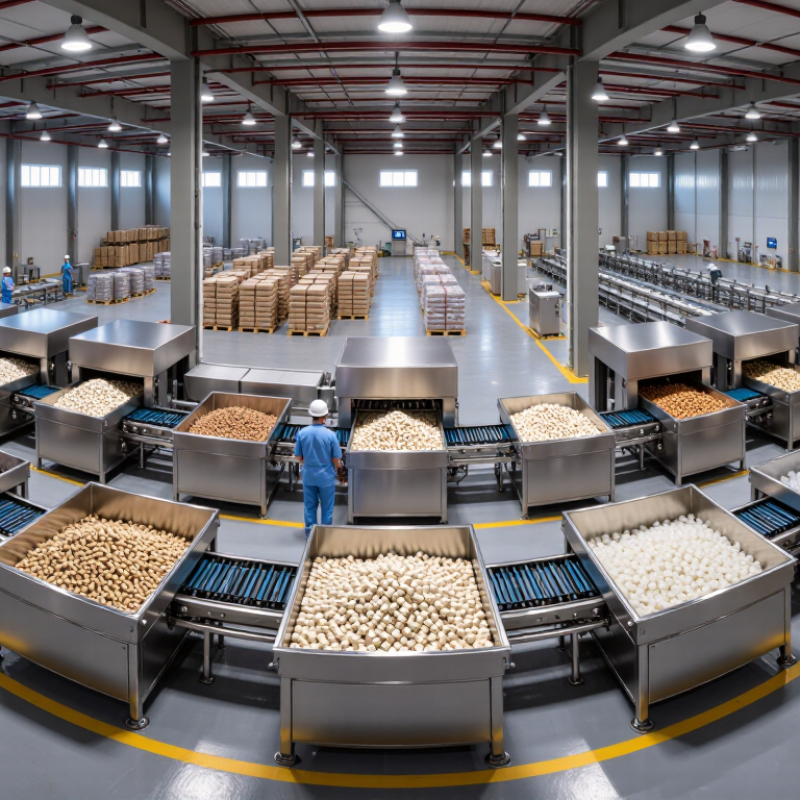
China’s bulk cat litter manufacturing landscape has expanded beyond low-cost production. Factories now serve distributors, private-label buyers, and regional pet-care retailers worldwide. Production clusters commonly offer bentonite, tofu, wood, paper, and silica-based litter. Each material requires different drying, screening, dust-control, and packaging equipment.

Experienced buyers usually inspect the plant before discussing annual volume. A reliable visit includes raw-material storage, batch records, moisture checks, and sealed finished-goods areas. Ask for recent test results on absorption, clumping strength, dust levels, and odor control. Packaging deserves equal attention. A 10-kilogram bag may look efficient, yet weak handles or poor sealing can create warehouse losses. Samples should be tested after transport, not only at the factory gate.

Capacity figures can mislead. Some facilities advertise large monthly output but depend heavily on subcontracted processing. That arrangement is not automatically unsuitable, but it needs written quality controls and traceability. Buyers should compare lead times, minimum order quantities, loading plans, and export documentation. Sustainability claims also require evidence, such as recycled-content records or responsible fiber sourcing. The market remains competitive, and not every quotation reflects durable value. Modestly higher prices may reduce dust complaints and replacement costs. Still, supplier performance can change with seasonal demand, labor turnover, or new raw-material sources. Regular audits remain necessary.

Key Cat Litter Types Offered by Chinese Manufacturers

Chinese cat litter manufacturers offer several practical options for global bulk buyers. Bentonite clay litter remains popular because it forms firm clumps and absorbs liquid quickly. Its familiar mineral texture suits multi-cat households. However, some batches may produce more dust than expected. Buyers should request dust-control data and inspect samples before placing large orders.

Tofu and cassava litter use plant-based fibers that create lightweight clumps. They often have a softer texture and a milder natural scent. Many factories can adjust pellet size, hardness, and flushing guidance for different markets. Yet, plant-based litter can break down too easily in humid storage. Moisture-resistant packaging matters. Silica gel litter offers strong moisture absorption and longer service in dry environments. Its crystals can feel unusual to cats at first.

Wood and pine litter provide a different user experience. Some products use pellets, while others are processed into finer granules. They may suit buyers seeking renewable raw materials and lower tracking. Performance still depends on drying, screening, and storage control. No litter type is perfect. Experienced Chinese manufacturers usually support private packaging, batch testing, and container-scale supply, but buyers should verify these capabilities directly. Useful checks include absorbency, clump strength, odor control, dust level, particle consistency, and packaging durability. A polished specification sheet is not enough. Real samples can reveal the gaps.

China Top Bulk Cat Litter Manufacturers for Global Buyers – Key Cat Litter Types Offered by Chinese Manufacturers

Typical product characteristics across major cat litter material categories

Bentonite and tofu litter are commonly associated with clumping performance. Silica gel is typically non-clumping and is valued for moisture absorption. Wood and paper litter are plant-based or recycled-material options and are generally biodegradable. Actual specifications vary by formulation, processing method, and buyer requirements.

How to Evaluate China’s Bulk Cat Litter Suppliers

China’s bulk cat litter market offers many choices, but supplier quality varies sharply between catalogs and production floors. Evaluate the factory, not only the quotation. Request a current business license, production address, product specifications, and export references. Ask for evidence. A video call should show mixing equipment, dust control, storage areas, and packed pallets. Clean, dry warehouses matter because moisture can change clumping performance and increase complaints.

Compare samples from the same stated formula, not random grades. Check absorption, clump strength, dust, odor control, granule size, and tracking after use. Record results under identical conditions. An independent laboratory can verify moisture, additives, and material safety when claims seem unclear. Packaging deserves equal attention. Test bag seams, pallet wrapping, labels, carton strength, and loading photos. Samples can mislead. A polished sample may not represent mass production.

Reliable suppliers explain minimum order quantities, production capacity, lead times, inspection procedures, and corrective actions in writing. Ask how they handle a failed batch. Their answer often reveals more than a sales presentation. Confirm destination labeling, safety documents, payment terms, and shipment records before placing a large order. Keep approved samples and signed specifications as reference points. Communication speed is useful, but technical accuracy matters more. I would not ignore small inconsistencies; they may signal weak process control. Still, no evaluation is perfect. Seasonal material changes, rushed loading, or a new operator can affect results. Use pre-shipment inspection and a smaller trial order before expanding volume.

Production Standards, Quality Control, and Certifications

China Top Bulk Cat Litter Manufacturers for Global Buyers

Reliable bulk cat litter production begins with consistent raw materials. Manufacturers should record mineral origin, plant-based ingredient sources, moisture levels, and particle size. Incoming materials need inspection before entering production. A supplier may test clumping strength, absorption, dust emission, odor control, and granule uniformity. These checks should follow written procedures, not personal judgment alone. Small details matter. A dusty loading area can affect an entire shipment.

Strong factories use calibrated scales, moisture meters, sieves, and dust monitoring equipment. Quality teams should collect samples during mixing, filling, and final packing. Each batch needs a traceable code, production date, test record, and retained sample. Buyers can request a certificate of analysis, safety data sheet, and clear packaging specifications. Factory audits also reveal practical conditions, including warehouse ventilation, pallet protection, pest control, and worker hygiene.

Certifications can support trust, but they require careful verification. Check the certificate holder, production site, covered products, validity period, and certification scope. Quality management certification shows process control, while environmental or safety certifications address different responsibilities. One certificate cannot prove every performance claim. Independent laboratory testing is useful for disputed results or new formulas. Even experienced suppliers may have weak points, such as inconsistent fragrance intensity or occasional underfilled bags. Honest reporting and corrective-action records are more reliable than polished presentations. Bulk buyers should compare several production batches before approving long-term supply.

China Top Bulk Cat Litter Manufacturers for Global Buyers - Production Standards, Quality Control, and Certifications

Product Category Main Raw Material Key Production Standards Typical Quality-Control Checks Common Buyer Specification Relevant Certifications or Regulations Recommended Verification Documents
Clumping Mineral Litter Natural sodium bentonite or calcium bentonite clay Controlled drying, crushing, screening, granulation, dedusting, and magnetic separation. Particle-size distribution should remain consistent between production lots. Moisture, bulk density, granule size, dust level, clumping speed, clump strength, odor adsorption, and foreign-particle inspection. Moisture and particle-size limits are agreed by contract. Many buyers specify low-dust grades and separate granule sizes for retail or multi-cat use. ISO 9001 quality-management certification may be applicable. Product safety and chemical requirements depend on the destination market. Certificate of analysis, batch test report, raw-material declaration, safety data sheet where applicable, and pre-shipment inspection report.
Non-Clumping Mineral Litter Attapulgite, sepiolite, zeolite, or other absorbent mineral materials Mineral selection, particle grading, thermal or natural drying, screening, dust removal, and contamination control. Absorption capacity, moisture, bulk density, particle-size distribution, dust generation, odor-control performance, and color consistency. Absorption performance and granule size are normally defined by the buyer. Suitable packaging should protect the product from moisture during transport. ISO 9001 may be requested. REACH-related obligations can apply when products or substances are placed on the European market. Mineral composition information, certificate of analysis, technical data sheet, safety data sheet if required, and origin documents.
Tofu or Soy-Residue Litter Processed soy pulp, pea fiber, corn starch, or other plant-based fibers Food-grade or controlled agricultural raw-material sourcing, drying, milling, extrusion or pelletizing, cooling, screening, and moisture control. Moisture, pellet durability, clumping performance, odor, microbial indicators, foreign matter, color, and packaging integrity. Buyers commonly specify low moisture, stable pellet dimensions, rapid clumping, low breakage, and absence of visible contaminants. ISO 9001 may be applicable. HACCP or GMP systems may be requested for plant-derived materials, although cat litter is not automatically a food product. Raw-material statement, certificate of analysis, microbial test report, allergen or GMO statement when requested, and batch traceability records.
Cassava or Corn-Based Litter Plant starch, agricultural fiber, or starch-based pellets Controlled grinding, mixing, pelletizing, drying, cooling, screening, and prevention of cross-contamination with non-approved materials. Moisture, pellet strength, dust, clumping speed, odor performance, microbial testing, and visual inspection for mold or discoloration. Performance requirements vary by formulation. Export buyers generally require consistent pellet size and stable performance after long-distance shipping. ISO 9001 may be requested. Destination-market rules may require declarations for plant materials, additives, packaging, or chemical substances. Ingredient declaration, certificate of analysis, microbial report, packaging specification, and country-of-origin documentation.
Wood or Pine Pellet Litter Processed wood fibers or sawdust from controlled sources Raw-material screening, drying, pelletizing, cooling, dust extraction, and controls to prevent treated or contaminated wood from entering production. Moisture, pellet durability, dust, odor, ash or residue, particle size, visible contamination, and packaging moisture resistance. Buyers usually define acceptable pellet diameter, moisture range, breakage tolerance, dust level, and odor profile. FSC or PEFC chain-of-custody certification may be relevant when sustainable forestry claims are made. Phytosanitary requirements may apply to some shipments. Wood-source declaration, chain-of-custody certificate where claimed, certificate of analysis, fumigation or phytosanitary documents when required, and batch traceability records.
Silica Gel Litter Amorphous silicon dioxide crystals or granules Controlled precipitation or granulation, drying, screening, dust removal, color sorting, and sealed moisture-protective storage. Moisture adsorption capacity, particle size, dust, bulk density, pH where relevant, color uniformity, and foreign-particle inspection. Crystal size, adsorption performance, dust level, color-change behavior, and packaging barrier properties are normally specified by the importer. REACH and CLP obligations may apply in the European Union depending on the substance classification and intended use. ISO 9001 may be requested. Safety data sheet, technical data sheet, certificate of analysis, substance composition statement, and destination-market compliance declaration.
Recycled Paper Litter Recycled paper fibers, cellulose, or recycled pulp Fiber sorting, contaminant removal, shredding, drying, pelletizing or granulation, dust extraction, and moisture-controlled packing. Moisture, absorbency, pellet integrity, dust, odor, visible contaminants, color, and microbial indicators. Buyers typically specify absorbency, pellet form, dust tolerance, recycled-content claims, and resistance to crushing during transport. ISO 9001 may be requested. Recycled-content or environmental claims should be supported by an appropriate verification system. Recycled-material statement, certificate of analysis, environmental-claim evidence where applicable, packaging specification, and inspection records.
Manufacturing-System Benchmark Applicable to bulk cat-litter production facilities Documented incoming-material inspection, calibrated testing equipment, controlled process parameters, lot coding, nonconforming-product handling, corrective action, and product traceability. Sampling plan, in-process inspection, finished-goods release, retained samples, complaint analysis, and periodic laboratory verification. Acceptance criteria should be written into the purchase specification, including test methods, sampling quantity, tolerances, and rejection rules. ISO 9001 is a commonly requested quality-management framework. ISO 14001 and ISO 45001 may support environmental and occupational-safety controls. Valid certificate with scope and issuing-body details, audit summary, quality manual excerpts, calibration records, CAPA records, and traceability test.
Export and Packaging Control Bulk bags, woven sacks, paper bags, cartons, or private-label packaging Packaging-material approval, weight control, barcode or lot-code verification, seal-strength checks, palletization, container loading, and moisture protection. Net weight, dimensions, seal integrity, print accuracy, carton compression, pallet stability, container cleanliness, and loading photographs. Packaging format, bag weight, pallet pattern, container loading plan, labeling language, and shelf-life statement should be approved before production. Packaging and labeling must comply with destination-market requirements. Wood packaging may need ISPM 15 treatment and marking when applicable. Approved artwork, packing list, commercial invoice, certificate of origin, container-loading report, inspection report, and shipping photographs.
Buyer Verification Priority All mineral, plant-based, wood, paper, and silica-based products Supplier qualification should combine document review, sample testing, production-line assessment, and shipment-level inspection. Compare pre-shipment samples with approved reference samples and verify critical properties through an independent laboratory when required. No universal specification applies to every cat-litter type. The purchase contract should define measurable limits and test methods. Certification logos alone do not prove product conformity. Verify certificate validity, scope, site address, and expiration date. Factory audit, third-party test report, batch certificate of analysis, sample-retention plan, corrective-action process, and supplier declaration.

Note: Certification availability, legal requirements, test methods, and product specifications vary by material and destination market. All certificates and compliance claims should be independently verified against the manufacturing site, product scope, issuing organization, and shipment batch.

Bulk Ordering, Private Labeling, and Global Shipping Options

Bulk cat litter purchasing now requires more than a low factory quotation. The American Pet Products Association reported US pet industry spending of 147 billion dollars in 2023. That scale supports steady demand, but buyers still need accurate forecasts. Request production samples, absorbency results, dust measurements, and moisture data before confirming large volumes. Small testing errors can become expensive claims.

Private labeling works best when packaging details are fixed early. Confirm bag thickness, sealing strength, pallet patterns, carton marks, and language requirements. A reliable manufacturer should provide batch records and consistent raw material specifications. Private-label orders may need higher minimum quantities, especially for printed bags or custom cartons. One practical warning: attractive packaging cannot repair poor clumping performance. Product testing must come first.

Global shipping also affects the real landed cost. UNCTAD’s Review of Maritime Transport states that more than 80% of world merchandise trade by volume moves by sea. Buyers should compare FOB, CIF, and door-delivered quotations carefully. Include port fees, customs handling, inland transport, insurance, and possible delays. Moisture-sensitive litter needs dry storage and protected loading. Container planning matters.

A low price can mislead.

Some suppliers quote ideal loading weights, not workable ones. Ask for verified container-loading photos and recent production records. I would also keep a backup schedule, because ports, weather, and packaging shortages can disrupt even careful plans. Industry market reports often forecast mid-single-digit growth, yet regional demand can vary sharply. Conservative ordering may be less exciting, but it reduces stagnant inventory and emergency freight costs.

FAQS

Which cat litter types are commonly available for bulk purchasing?

Common options include bentonite, tofu, cassava, silica gel, wood, and pine litter. Each offers different handling results.

What should buyers check when testing bentonite litter?

Check clump strength, absorption speed, dust levels, granule consistency, and odor control. Some batches create more dust than expected.

How should plant-based litter be stored?

Keep tofu and cassava litter in dry warehouses with moisture-resistant packaging. Humidity may weaken pellets and clumps.

What makes silica gel litter different?

It absorbs moisture strongly and can last longer in dry environments. Some cats need time to accept its crystal texture.

How can buyers evaluate a bulk supplier properly?

Request production details, a business license, export references, and a factory video call. Inspect equipment, storage areas, and packed pallets.

Why are production samples important?

Samples reveal absorption, tracking, dust, and clumping performance. A polished sample may not represent mass production.

What packaging details should private-label buyers confirm?

Confirm bag thickness, sealing strength, pallet patterns, carton marks, and required languages. Attractive packaging cannot fix weak clumping.

How can buyers reduce shipping and inventory risks?

Compare complete landed costs, including port fees, inland transport, insurance, and delays. Start with a smaller trial order.

What should happen if a batch fails inspection?

Ask for written corrective actions, replacement terms, and inspection procedures. Their response matters.

Is the lowest quotation always the best choice?

No. A low price may use unrealistic loading weights or ignore moisture protection. Conservative ordering is sometimes wiser.

Conclusion

China has become a major manufacturing base for Bulk Cat Litter, offering global buyers a broad selection of products, including bentonite, tofu, crystal, pine, and mixed-material formulas. Chinese manufacturers vary in production scale, automation, raw material sourcing, and customization capabilities, so buyers should compare product consistency, odor control, absorption, dust levels, packaging quality, and factory experience before placing an order. Clear communication about product specifications and testing requirements can help reduce quality risks and improve long-term cooperation.

Reliable suppliers typically follow structured production procedures, conduct inspections at multiple stages, and provide relevant quality documentation or certifications when required by the destination market. International buyers can also explore bulk ordering, private labeling, customized packaging, and flexible container-loading options. Before shipment, it is important to confirm minimum order quantities, lead times, payment terms, packaging details, export documents, and shipping arrangements. A careful evaluation process enables buyers to select suitable Chinese suppliers and build a stable, cost-effective Bulk Cat Litter supply chain.

Charlotte

Charlotte

Charlotte is a seasoned marketing professional with a deep understanding of the company's portfolio and a passion for elevating its presence in the market. With a keen eye for detail and a commitment to excellence, she ensures that our professional blog is regularly updated with insightful articles......