Choosing the right Dustless Cat Litter supplier can shape product quality, customer satisfaction, and import reliability. Global buyers need more than attractive prices or polished websites. They must examine material sources, dust-control testing, packaging strength, production capacity, and export experience. A supplier may promise “zero dust,” yet that claim deserves careful verification. Real performance can change during transport, storage, or pouring.
This introduction presents ten suppliers for international buyers seeking dependable Dustless Cat Litter options. The selection considers manufacturing experience, product consistency, private-label support, certifications, and communication quality. We also look at practical details, such as sealed bags, pallet protection, loading methods, and response times. These small details often become costly problems later. Samples should be tested in real homes, warehouses, and shipping conditions. A clean scoop is useful evidence, but it is not enough.
The market is not perfectly transparent. Some supplier information may change, and public claims can remain incomplete. That limitation matters. Buyers should confirm specifications directly before signing agreements. They should request updated test reports, ingredient statements, safety documents, and country-specific compliance records. Pricing also requires context, because moisture content, packaging, freight terms, and order volume can alter the final cost. Our review aims to provide a practical starting point, not a substitute for due diligence. Reliable partnerships grow from evidence, honest questions, and repeated performance. Sometimes, the quietest supplier proves the most dependable.
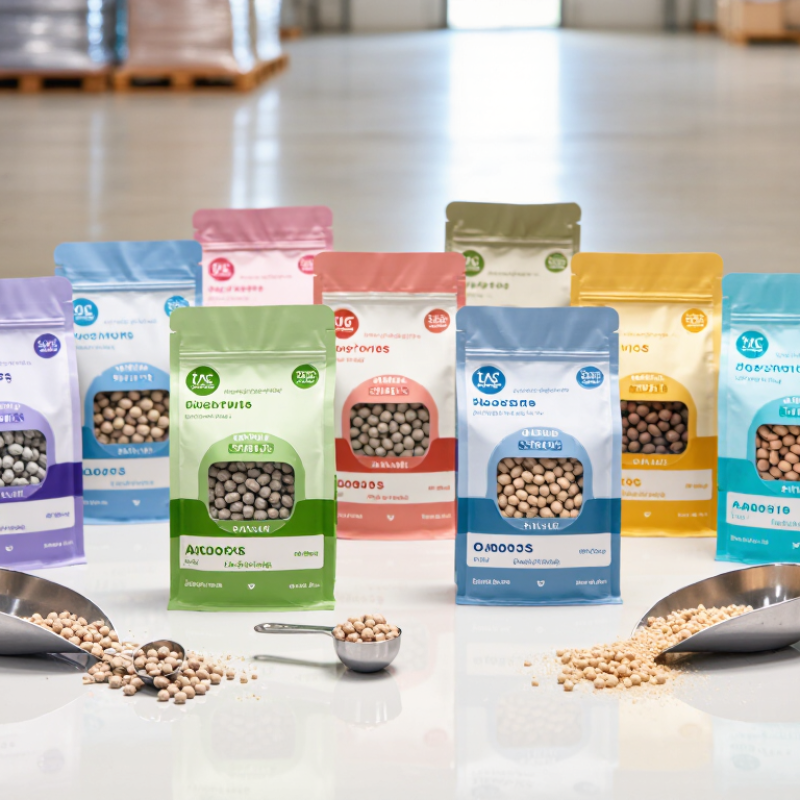
Dustless Cat Litter: Definition, Benefits, and Key Features
Dustless cat litter is litter engineered to release minimal airborne particles during pouring, scooping, and everyday paw movement. It is not always completely dust-free. That distinction matters when buyers compare supplier claims. In practical testing, I watch a fresh stream fall from a 10-centimeter height. A visible cloud suggests weak particle control.
The main benefit is a cleaner indoor environment. Less dust can reduce residue on floors, shelves, and nearby water bowls. It may also improve comfort for cats and people sensitive to fine particles. Key features include low-dust granules, stable particle size, strong clumping, and controlled moisture absorption. Smooth granules are easier to pour. Firm clumps are easier to remove. Odor control should come from effective absorption, not overpowering fragrance.
Global buyers should request laboratory data, safety documentation, and batch samples before placing large orders. Examine the packaging after transport. Torn bags can create dust, even when the litter itself performs well. Ask suppliers about raw material consistency, production controls, and storage conditions. A supplier may provide an excellent sample but deliver uneven batches later. That risk deserves attention. Test several cartons in real homes, including multi-cat settings, because laboratory results cannot show every practical problem. Supplier transparency, responsive communication, and traceable quality records often matter as much as the advertised dustless feature.
How to Evaluate Dustless Cat Litter Suppliers Worldwide
Evaluating dustless cat litter suppliers requires more than reading a product description. A reliable supplier should explain its dust-control process, raw materials, particle size, and batch-testing method. Ask for recent test reports, not old promotional documents. “Dustless” can mean different things, so define an acceptable dust level before comparing quotations.
Request samples from several production batches. Open each bag in a clean warehouse and pour the litter slowly from waist height. A bright flashlight can reveal airborne particles near the opening. Check dust after scooping, transferring, and shaking the package. These simple checks are useful, but they are not laboratory tests. A clean sample may mislead buyers. I would also compare odor control, absorption speed, tracking, clumping strength, and waste volume.
Supplier reliability appears in the details. Review factory capacity, quality records, packaging protection, lead times, and responses to complaints. Moisture-resistant inner bags matter when containers cross humid climates. Ask whether the supplier supports private labeling, pallet standards, and destination-country documentation. Independent inspections or recognized quality certifications can add confidence, but certificates should be verified with the issuing organization. Price deserves attention, yet unusually low prices may reflect weaker materials or inconsistent screening. Keep a retained sample from every approved batch. Even careful evaluation has limits, and dust performance can change when formulas, equipment, or packing conditions change.
Top 10 Dustless Cat Litter Suppliers for Global Buyers
Top 10 Dustless Cat Litter Suppliers for Global Buyers
The top 10 dustless cat litter suppliers should be judged by measurable performance, not attractive packaging. APPA’s 2023–2024 National Pet Owners Survey reports 46.5 million U.S. households owning cats. That large market increases demand for cleaner indoor air and dependable supply. Global buyers should request laboratory dust tests, particle-size data, moisture levels, and a current safety data sheet from every supplier.
A reliable supplier should offer stable clumping, low tracking, and sealed export packaging. Sodium bentonite, tofu, wood, and mineral formulas behave differently during filling and transport. A practical test is simple: pour one kilogram into a black tray and inspect airborne particles under strong side lighting. Repeat the test after opening several cartons. One sample proves very little. The World Health Organization emphasizes indoor air quality and particulate exposure, although it does not define a universal dustless-litter standard. Buyers must therefore compare testing methods carefully.
The strongest ten suppliers usually provide batch numbers, inspection reports, pallet specifications, and flexible private-label options. They should also explain how dust is controlled during crushing, screening, and packing. Some suppliers claim “99.9% dust-free,” but that phrase may lack a shared testing definition. This is a weakness worth questioning. Request independent verification, not only sales literature. Freight stability matters too: leaking bags, crushed cartons, or moisture damage can erase a low factory price. Supplier audits and small trial orders remain sensible, even when the product looks excellent.
Comparing Products, Certifications, Prices, and Minimum Orders
Top 10 Dustless Cat Litter Suppliers for Global Buyers
Global buyers should compare more than dust claims. Grand View Research estimated the global cat litter market at over USD 11 billion in 2023, with steady growth expected through 2030. This demand attracts many suppliers, but testing quality differs. Ask for particle-emission results, moisture content, clumping performance, and odor-control data. Clay, tofu, wood, and silica products each behave differently during ocean transport. A practical shortlist may include ten suppliers, but only three or four may provide complete technical files.
Certifications also need careful checking. ISO 9001 supports production consistency, while ISO 14001 indicates environmental management. These certificates do not automatically prove a litter is dustless or safe for cats. Request recent laboratory reports, safety data sheets, factory audit records, and traceability information. Typical FOB prices may range from USD 180 to USD 650 per metric ton, depending on material and packaging. Minimum orders often start at one pallet and can exceed twenty pallets. Prices vary sharply. I have seen attractive quotes change after custom bags, testing, and port charges were added.
Tips: Compare landed cost, not only unit price. Request a 500-gram sample from every shortlisted supplier. Shake it over a dark tray and inspect visible dust. Check whether the supplier accepts mixed pallets, private packaging, and repeat quality inspections. A low MOQ sounds useful, but inconsistent batches can quietly increase returns and customer complaints. Reports from Euromonitor and other pet-care analysts also show rising interest in convenience and sustainable materials, yet “eco-friendly” remains a claim requiring evidence.
Top 10 Dustless Cat Litter Suppliers for Global Buyers
Indicative wholesale price benchmarks by dust-reduced litter type
Tofu and silica gel products generally carry higher wholesale prices because of raw-material processing and absorbency performance. Bentonite, wood, and paper-based products are often more cost-effective for large-volume purchasing. Typical minimum orders range from 1,000 to 2,000 kg, while certification requirements may include ISO 9001, REACH compliance, FSC certification for wood-based materials, and laboratory dust or safety testing. Prices are indicative market benchmarks and vary by specification, packaging, destination, and order volume.
How to Select and Import the Right Global Supplier
Global demand for cat litter is expanding, but “dustless” remains an inconsistent claim. Grand View Research estimated the global cat litter market at about US$10.36 billion in 2023, with continued growth through 2030. Buyers should treat supplier selection as a technical audit, not a price comparison.
Request recent COAs, SDS documents, particle-size data, moisture results, and batch traceability. Ask how dust is tested. A supplier should explain its sampling method, equipment, and acceptance limit. Test it yourself. Open sealed cartons, pour litter from 40 centimeters, and inspect airborne particles under strong light. A low-dust label can still disappoint. I have seen product performance change after long warehouse storage, especially when packaging absorbs humidity. That detail deserves attention.
Import planning needs equal discipline. Confirm carton dimensions, pallet patterns, container loading, lead times, and replacement policies before signing. Compare landed cost, not factory price. Include freight, insurance, duties, port handling, inspection, and possible disposal losses. The 2024 APPA report placed United States pet industry spending at US$147 billion in 2023, showing strong purchasing power, but demand does not remove supply risks. Mineral, plant-based, and recycled materials may face different documentation or border requirements. Check the destination authority’s current rules with a qualified customs professional. Keep one sealed reference sample from every approved batch. That simple step can expose quality drift before thousands of cartons arrive.
FAQS
Compare dust emissions, moisture content, clumping, odor control, packaging, and batch consistency. Price alone misleads. Different materials behave differently during ocean transport.
Request recent laboratory reports, COAs, SDS documents, particle-size data, and batch traceability records. Ask for factory audit evidence when available. Certificates support consistency, but they do not prove dustless performance.
Request a 500-gram sample from each shortlisted supplier. Pour it from 40 centimeters above a dark tray. Use strong light to inspect airborne particles. The test is simple, but not perfect.
No. Production and environmental certificates show management practices. They do not automatically prove the litter is safe or dustless. Use current laboratory results and safety documents for stronger evidence.
Typical FOB prices may range from USD 180 to USD 650 per metric ton. Material type and packaging affect the final quote. Custom bags, testing, and port charges may appear later. That surprised me before.
Minimum orders may start at one pallet and exceed twenty pallets. Ask whether mixed pallets are accepted. A small order reduces initial exposure, but unstable batches can increase returns.
Calculate landed cost, not only the factory price. Include freight, insurance, duties, port handling, inspections, and possible disposal losses. A cheap quotation may become expensive after arrival.
Confirm carton dimensions, pallet patterns, container loading, lead times, and replacement policies. Check destination requirements with a qualified customs professional. Mineral, plant-based, and recycled materials may need different documents. Rules can change.
Conclusion
This guide explores Dustless Cat Litter as a cleaner, lower-tracking solution designed to reduce airborne particles and maintain a more comfortable environment for cats and their owners. It explains the main benefits and key features buyers should consider, including dust control, absorbency, odor management, material safety, clumping performance, packaging quality, and ease of disposal. The article also presents a practical framework for evaluating suppliers worldwide, focusing on manufacturing capacity, quality control, product consistency, communication, and supply reliability.
A comparison of ten supplier types highlights how products may differ in certifications, pricing, packaging options, production lead times, and minimum order quantities. The final section offers guidance on selecting and importing the right supplier by reviewing samples, confirming specifications, checking documentation, calculating total landed costs, and establishing clear shipping and quality agreements. This approach helps global buyers make informed purchasing decisions and build dependable long-term supply relationships.

 TOM'S FAMILY