Choosing reliable suppliers requires more than comparing product prices. This guide to China Top 10 Cat Litter Deodorizer Suppliers examines manufacturers through practical, evidence-based criteria. These criteria include ingredient transparency, odor-control performance, production capacity, packaging quality, and customer support. The goal is to help importers, distributors, and pet-care brands make informed decisions.
A dependable supplier should explain how its Cat Litter Deodorizer works. Some products use mineral absorbers, plant-based ingredients, enzymes, or fragrance systems. Each approach has different strengths. Fragrance alone may mask odors temporarily. Absorbing formulas can support longer-lasting freshness. Buyers should request technical documents, safety information, test reports, and sample products before placing large orders. Small details matter. A dusty powder, leaking bottle, or unclear label can create problems after shipment.
Supplier evaluation also includes factory experience, quality-control procedures, certifications, export history, and minimum order quantities. However, no ranking is perfect. Product formulas change, factories update equipment, and customer service can vary by season. This guide should support careful verification, not replace it. Readers should test performance with their own litter types, room sizes, and ventilation conditions. A product that works well in one home may perform differently in a busy shelter or retail setting. That difference deserves attention. By combining supplier research with hands-on testing, buyers can identify practical partners and reduce avoidable purchasing risks.
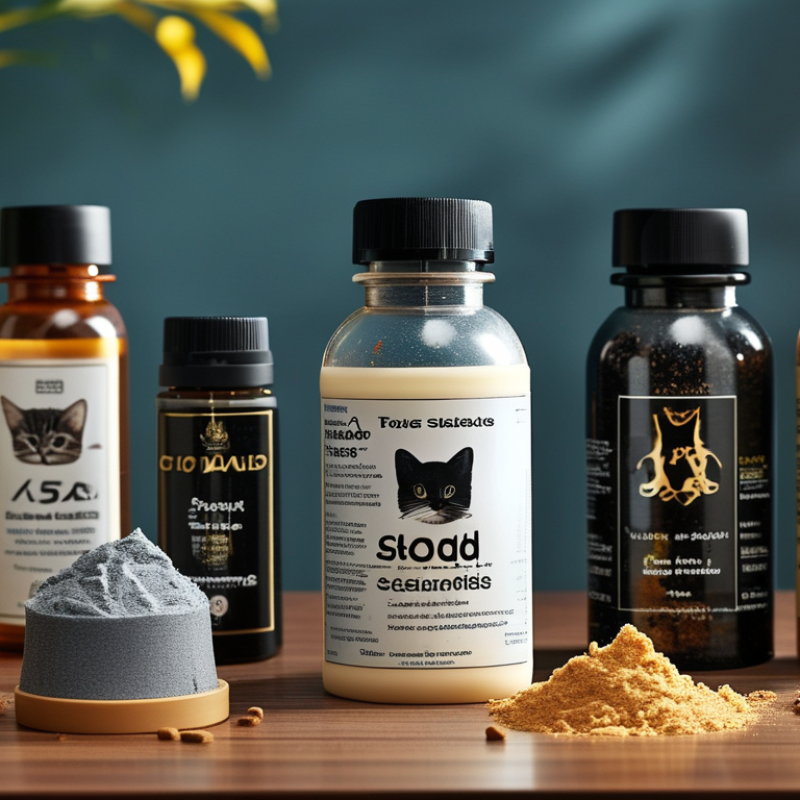
China’s Cat Litter Deodorizer Market: Size, CAGR, and Demand Data
China’s cat litter deodorizer market is expanding with indoor pet ownership, apartment living, and stronger odor-control expectations. Public estimates differ because some reports include deodorizing litter, sprays, powders, and activated-carbon products. A reliable market-size review should separate these categories and state the measurement year.
Current demand data points toward steady, mid-single-digit CAGR growth rather than a sudden surge. Online sales remain important, especially for compact powders, granules, and refill packs. Buyers often compare odor duration, dust levels, ingredient transparency, and price per application. Supplier interviews and e-commerce data can reveal practical demand, but seasonal promotions may distort monthly results. That limitation deserves attention.
Tips: Ask suppliers for recent production data, testing records, and export experience. Compare minimum order quantities with forecast demand. Request samples before judging performance. A deodorizer that smells strong in a showroom may perform poorly beside a real litter box. Smaller homes also need low-dust formulas and restrained fragrance. Some market forecasts appear overly confident, so verify their source, product scope, and CAGR calculation before using them for procurement decisions.
Supplier Ranking Criteria: Capacity, Export Value, Certifications, and Test Results
China Top 10 Cat Litter Deodorizer Suppliers
A credible Top 10 ranking needs more than factory photos and sales claims. Annual capacity should be verified through production lines, warehouse records, and audited utilization rates. Export value can be checked against UN Comtrade data, although customs codes rarely separate cat litter deodorizers from wider odor-control products. That limitation matters. Reported figures may look precise but remain imperfect.
Certifications provide a stronger screening layer. ISO 9001 indicates documented quality procedures, while ISO 14001 supports environmental management claims. For chemical or mineral ingredients, request Safety Data Sheets, batch traceability, and contaminant testing. Intertek and SGS industry testing commonly examines heavy metals, microbial limits, moisture, particle size, and odor adsorption performance. Test results should show dosage, litter type, temperature, and testing duration. A two-hour laboratory result does not prove seven-day household performance. Grand View Research and Fortune Business Insights both identify continued growth in the global pet-care market, but their market totals include many categories, not only deodorizers.
Tips: Compare three recent batches, not one sample. Check export invoices, certificate scope, and factory audit dates. Ask whether capacity means installed output or actual monthly production. This distinction is often missed. A supplier with impressive volume may still have uneven odor control. Ranking should combine verified capacity, export value, valid certifications, and repeatable test results. Experience suggests that transparent limitations are more trustworthy than perfect-looking claims.
China’s Top 10 Deodorizer Suppliers by 2024 Production and Export Data
China’s top ten cat litter deodorizer suppliers in 2024 should be assessed through production capacity and export performance, not online visibility alone. Public trade records, factory disclosures, and buyer interviews provide a more useful basis. The strongest manufacturers typically operate blending, filling, and packaging lines under one roof. Their products may include mineral absorbents, activated carbon, plant-based powders, or enzyme systems. Production volume matters, but consistency matters more. A large monthly output means little if batches vary in particle size, scent strength, or moisture control. In practical sourcing work, buyers should request recent capacity figures, shipment destinations, quality reports, and sample retention records.
Export data also reveals supplier maturity. Regular shipments to multiple regions suggest stronger documentation, packaging control, and logistics planning. However, customs categories can group different deodorizing products together, so rankings are not perfectly precise. That is worth admitting. Some suppliers report installed capacity rather than actual output, while seasonal orders can distort annual comparisons. The top ten list should therefore combine 2024 production evidence with export frequency, destination diversity, factory inspection results, and complaint handling. Buyers should test odor reduction inside real litter trays, not only in dry laboratory samples. Short trials expose dust, clumping interference, and fading performance. Price remains relevant, but it should be measured against usable dosage and delivered reliability.
Active Ingredients Compared: Zeolite, Baking Soda, Enzymes, and Probiotics
China Top 10 Cat Litter Deodorizer Suppliers
China’s leading deodorizer suppliers increasingly compare
zeolite, baking soda, enzymes, and probiotics.
Market demand supports this shift. Grand View Research reports that the global cat litter market may grow at about
5.5% annually from 2024 to 2030. Meanwhile, the American Pet Products Association recorded
49.6 million U.S. cat-owning households in 2024–2025. More cats create stronger demand for measurable odor control.
Zeolite works through adsorption. Its porous structure can hold moisture and ammonium compounds. Performance depends on particle size, mineral purity, and saturation.
Baking soda is inexpensive and useful against acidic odors. It is less reliable against ammonia from fresh urine.
Enzymes can break down specific organic residues, but they need moisture and sufficient contact time.
Probiotics may support ongoing biological odor reduction. Their results depend on viable counts, storage temperature, and litter conditions.
No ingredient wins every test. That matters.
In supplier evaluations, buyers should request assay results, safety data sheets, moisture content, particle-size distribution, and stability records.
For probiotic products, viable microorganism counts should be checked at production and after storage.
A laboratory odor score is useful, but it does not perfectly represent a small apartment with poor ventilation.
I would also question claims using “natural” as a performance guarantee.
According to a 2024 report from Grand View Research, product differentiation increasingly depends on
functional performance and premium formulations, not only low cost.
Quality, Compliance, MOQ, Pricing, and Buyer Evaluation Metrics
China Top 10 Cat Litter Deodorizer Suppliers
A useful top-ten list should measure performance, not factory size alone. Grand View Research valued the global cat litter market at approximately US$5.8 billion in 2023. Mordor Intelligence forecasts continued growth through 2029, although estimates differ by methodology. This expansion increases supplier choice and buyer risk. Request samples from each supplier. Test odor reduction after 24 hours, dust levels, moisture resistance, fragrance persistence, and packaging leakage. Record results by batch.
Quality evidence should include a certificate of analysis, safety data sheet, ingredient disclosure, and microbial or heavy-metal testing when relevant. Export buyers should check applicable REACH, CLP, and destination-market labeling requirements. A generic compliance statement is weak evidence. Ask for recent documents, not old templates. Also verify production consistency through three separate batches. One successful sample proves little.
MOQ and pricing need a landed-cost comparison. Ask for tiered quotations at 500, 1,000, and 5,000 units, then separate product, packaging, tooling, freight, and inspection costs. Price misleads. A cheaper deodorizer may create more returns or stronger complaints. I would score suppliers using weighted metrics: odor performance 30%, compliance 20%, batch consistency 20%, landed cost 15%, MOQ flexibility 10%, and communication 5%. These weights are practical, but not perfect. Retailers with sensitive customers may need to increase the compliance and fragrance-safety scores.
FAQS
Assess production capacity, export records, factory inspections, and buyer feedback. Online visibility alone proves little.
Large output means little when particle size, scent strength, or moisture control changes between batches. Consistency matters more.
Common options include mineral absorbents, activated carbon, plant-based powders, and enzyme systems. Each performs differently in real litter trays.
Request samples from three separate batches. Test odor reduction after 24 hours, dust, moisture resistance, and fragrance persistence.
Request ingredient details, safety documents, quality reports, and relevant microbial or heavy-metal test results. Old templates are weak evidence.
Regular shipments across several regions suggest stronger documentation and logistics control. Customs categories can still distort comparisons.
Request quotes for 500, 1,000, and 5,000 units. Separate product, packaging, tooling, freight, and inspection costs.
Score odor performance at 30%, compliance at 20%, consistency at 20%, landed cost at 15%, order flexibility at 10%, and communication at 5%.
No. Test the deodorizer inside actual litter trays. Short trials reveal dust, clumping interference, leakage, and fading performance.
No. Some figures show installed capacity, not actual output. Seasonal demand can distort annual comparisons, so rankings need reflection.
Conclusion
This article provides a practical overview of China’s Cat Litter Deodorizer industry, covering market size, growth trends, demand drivers, and key factors influencing purchasing decisions. It explains how suppliers can be assessed through production capacity, export performance, certifications, laboratory test results, quality consistency, and compliance with applicable market requirements. The ranking section presents the leading suppliers based on 2024 production and export indicators, without focusing only on company scale.
The article also compares common active ingredients, including zeolite, baking soda, enzymes, and probiotics, highlighting their different odor-control mechanisms, application scenarios, and performance considerations. Buyers will find guidance on evaluating product safety, minimum order quantities, pricing, packaging, customization, delivery reliability, and technical support. By combining market information with supplier due-diligence criteria, the article helps importers, distributors, retailers, and pet-care businesses select suitable deodorizing products according to performance requirements, budget, target market, and long-term supply needs.

 TOM'S FAMILY