Choosing the right Unscented Kitty Litter is not a minor shopping decision. It can influence daily cleanup, household air quality, and a cat’s willingness to use the litter box.
The American Pet Products Association’s 2024–2025 National Pet Owners Survey reports that approximately 49.6 million U.S. households own cats. Meanwhile, Grand View Research identifies steady growth in the global cat litter market, driven by hygiene awareness and premium product demand. These figures show a crowded market, but they do not guarantee that every “natural” or “low-dust” claim is reliable.
Certified cat behavior consultant Mikel Delgado has emphasized, “Most cats prefer unscented, fine-grained litter.” That preference matters. A strongly perfumed box may smell clean to people, yet feel overwhelming to a cat’s sensitive nose. Texture matters too. Some cats favor sand-like granules, while others reject large pellets after one uncomfortable step.
This guide presents 10 practical tips for comparing Unscented Kitty Litter. It examines ingredients, dust levels, clumping strength, tracking, odor control, packaging, and transition strategies. Veterinary guidance and product-label evidence should support the final choice, not attractive advertising alone.
Small details count.
Still, no recommendation fits every cat. Age, paw sensitivity, previous litter habits, and household ventilation can change the result. I have found that even careful choices sometimes fail. A gradual trial, a clean box, and close observation remain more dependable than assumptions.
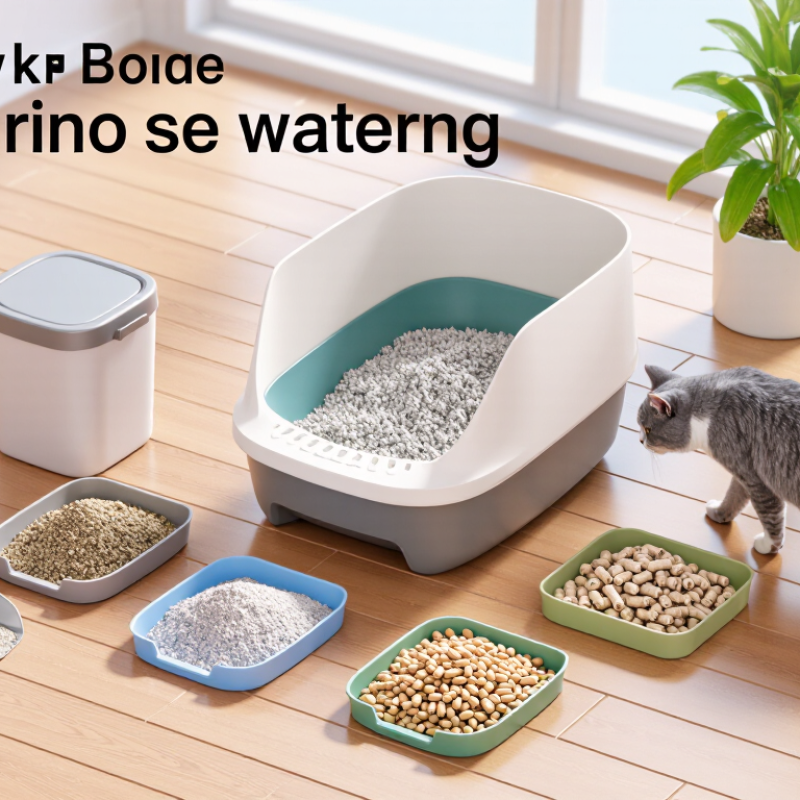
Choosing the best unscented kitty litter starts with observing your cat, not trusting a label. Some cats prefer fine, sand-like grains, while others accept larger pellets. Watch how your cat steps into the box, digs, and covers waste. Hesitation, repeated scratching, or accidents may signal discomfort. Tiny details matter.
Odor-free litter should not mean odor-ignored litter. Unscented material avoids added fragrance, which may irritate sensitive cats or overwhelm their strong sense of smell. Choose a low-dust option with steady clumping and a texture your cat already understands. Keep the box clean, dry, and large enough for comfortable turning. I once changed litter too quickly and blamed my cat for avoiding the box. I was wrong. A gradual transition would have been kinder.
Place boxes in quiet, accessible areas away from food, loud machines, and crowded walkways. In homes with several cats, provide multiple boxes when possible, because one cat may reject a box carrying another cat’s scent. Observe stool, urine habits, paw licking, and breathing changes. These signs can reveal stress or health problems, but litter alone cannot diagnose illness. Veterinary advice is important when avoidance continues or behavior changes suddenly. Comfort varies. Your cat decides.
Choosing unscented kitty litter starts with comparing its material, texture, and absorption performance. Clay litter often forms firm clumps and feels familiar under a cat’s paws. However, some formulas create fine dust near the box. Dust matters. Wood pellets feel coarse and may break into softer particles after absorbing moisture. Paper pellets are gentle and lightweight, but they can become saturated quickly in a small, poorly ventilated tray.
Texture can influence whether a cat accepts a new litter. Many cats prefer small, sand-like grains because they resemble natural ground. Larger pellets may feel uncomfortable between sensitive toes. I once switched too quickly to a coarse material, and my cat avoided the box for two days. That mistake taught me to blend new litter gradually and watch pawing, digging, and elimination habits.
Absorption should be tested, not judged by advertising claims. Place a measured amount of water on a clean sample and observe clumping speed, odor retention, and leftover moisture. A good litter should keep the surface reasonably dry without turning into paste. Paper may control tracking well, while fine mineral litter can spread across the floor. No option performs perfectly. I still check the tray daily, because even highly absorbent litter fails when the box is too shallow or crowded. A veterinarian can help when texture changes cause persistent avoidance, straining, or unusual bathroom behavior.
10 Tips to Choose the Best Unscented Kitty Litter
Dust, odor control, and ingredient safety deserve close attention when choosing unscented kitty litter. Unscented does not mean odorless. It means no added perfume masks the smell. Pour a small amount slowly in bright light. Watch for a visible cloud. Dust that settles on nearby furniture may also reach your cat’s nose and paws. My first choice was not perfect; I underestimated how much dust escaped during daily scooping.
Odor control depends on more than fragrance. Strong clumping can remove wet waste quickly, while good ventilation reduces lingering smells. Scoop at least once daily, and inspect the box after cleaning. A litter that smells acceptable in the store may perform differently in a small bathroom. I have learned to test a small bag first. Cats can reject sudden texture changes.
Read the ingredient list carefully. Prefer clear, simple descriptions over vague claims. Avoid added fragrance and consider limiting essential oils, especially for cats with breathing sensitivities. Some litters use mineral, plant, or recycled materials, and each may affect tracking, clumping, and cleanup. Ingredient safety is not only about the litter itself. A dusty floor can become a grooming problem when particles stick to fur. For kittens, older cats, or cats with asthma, ask a veterinarian before changing products. No checklist is perfect. Observe coughing, sneezing, paw irritation, or litter-box avoidance, and respond promptly.
An unscented litter should fit the box, not merely control odors. Measure the tray before buying, especially if it has a low entrance or narrow corners. Fine grains may slide through wide ventilation slots. Larger particles can remain trapped in textured bases. Pour a shallow layer, usually around five to seven centimeters, and watch how your cat turns. A cramped box can make even acceptable litter feel unsuitable.
Cleaning effort matters every day. Scoop clumps twice daily if possible, using a scoop that does not crush wet material. Check the bottom after three days. Some litter looks clean on top but sticks underneath. I once chose a highly absorbent formula and underestimated its dust. My floor showed pale footprints everywhere. That mistake changed how I judge litter: absorption, tracking, and odor control must be assessed together.
Household fit is more personal than product descriptions suggest. In a small apartment, low tracking may matter more than maximum absorption. In a home with children, use a stable box location and store litter securely. Sensitive cats may reject sudden texture changes, so blend new litter gradually over several days. Unscented does not mean odorless. Strong urine smells can signal poor scooping, insufficient depth, or a health concern requiring veterinary advice. Keep a simple note for one week: litter use, tracking, dust, and your cat’s behavior. The results may challenge your first preference.
Testing a new unscented kitty litter should feel like a controlled trial, not a sudden household renovation. The American Pet Products Association’s 2023–2024 report counted about 46.5 million cat-owning U.S. households. That scale matters. Small litter problems can affect millions of daily routines. I once replaced litter overnight and blamed my cat for avoiding the box. My assumption was wrong. The abrupt texture change was probably the issue.
Keep the original litter available during the trial. Mix in about 25% new litter for three days, then increase it slowly if your cat continues using the box. Watch paw lifting, repeated sniffing, digging without elimination, or accidents near the box. These details are useful evidence. They are not stubborn behavior. A 2021 International Cat Care survey reported that many owners notice litter-box changes through altered toileting habits, although owner observations are not veterinary diagnoses. Record the litter level, urine clumps, stool, and cleaning frequency for one week. Short notes help reveal patterns.
Pause the change if your cat stops using the box, strains, vocalizes, or produces unusually small urine amounts. Contact a veterinarian promptly, especially with repeated straining. The AAFP and ISFM feline environmental guidelines recommend clean, accessible boxes and generally suggest one box per cat, plus one. Unscented does not mean odor-free. Scoop daily, provide ventilation, and wash the box with mild, unscented products. Monitor quietly. Cats often communicate discomfort before owners recognize it.
Introduce a new unscented litter gradually rather than changing it all at once. This example uses a four-step transition: 25%, 50%, 75%, and 100% new litter. At each step, monitor your cat’s litter-box use, waste habits, comfort, and any avoidance behavior. If your cat shows stress or stops using the box, return to the previous ratio and proceed more slowly.
Clay often forms firm clumps and feels familiar under paws. Wood pellets feel coarse and soften after absorbing moisture. Paper pellets feel gentle but may saturate quickly. No choice is perfect.
Many cats prefer small, sand-like grains. Large pellets may feel uncomfortable between sensitive toes. Watch digging, pawing, and bathroom habits. Cats can be surprisingly particular.
Place a measured amount of water on a clean sample. Observe clumping speed, surface moisture, and odor retention. The material should not become paste-like. Test it.
A layer around five to seven centimeters usually gives room for turning and digging. A shallow tray may expose the bottom. A crowded box creates problems quickly.
Scoop clumps twice daily when possible. Use a scoop that does not crush wet material. Check the bottom after three days. Hidden buildup can surprise you.
Fine particles may spread across floors and leave pale footprints. Paper may track less in some homes. Place a textured mat outside the tray. I once underestimated dust badly.
Blend the new material gradually over several days. Avoid replacing everything suddenly. Watch whether your cat enters, digs, and eliminates normally. Slow changes work better.
Low tracking may matter more than maximum absorption in a small apartment. Keep the box stable and away from busy paths. Store litter securely around children. Unscented does not mean odorless.
Persistent avoidance, straining, or unusual elimination needs veterinary advice. Strong odors may reflect poor scooping or insufficient depth. They can also signal a health concern. Do not guess for too long.
Choosing the right Unscented Kitty Litter starts with understanding your cat’s individual preferences, including sensitivity to fragrance, paw comfort, and litter box habits. Compare materials such as clay, plant-based, paper, or crystal options by examining texture, clumping ability, absorption, tracking, and ease of scooping. Low-dust formulas can support a cleaner home and a more comfortable environment, while simple, clearly listed ingredients make it easier to evaluate safety. Effective odor control should come from the litter’s natural performance rather than strong perfumes.
Also consider whether the litter works well with your box design, household routines, cleaning schedule, and the number of cats using it. A litter that performs well but requires excessive maintenance may not be the best practical choice. When introducing a new option, mix it with the current litter gradually instead of changing suddenly. Monitor your cat’s behavior, bathroom frequency, digging habits, and comfort, and be prepared to adjust the texture or material if your cat avoids the box.

TOM'S FAMILY