What Is Smart Cat Litter and How Does It Work?

Time:2026-09-25 Author:Aria
0%

Smart Cat Litter is changing how many owners manage daily cat care. These systems may include automatic cleaning, weight sensors, odor control, and mobile alerts. Some models also track bathroom visits, litter-box use, and possible changes in urination patterns. The technology sounds impressive, but it works through practical details rather than magic.

Inside the box, sensors measure movement, weight, or waste levels after your cat leaves. A connected app can then organize this information into charts or notifications. In a busy home, an alert about a full waste drawer may prevent an unpleasant surprise. However, accuracy depends on litter type, sensor placement, battery life, and the number of cats using the box. A large cat and a small cat may produce confusing data. That matters.

It is not a veterinarian.

Smart Cat Litter can help owners notice unusual habits earlier, but it cannot diagnose illness. Cats may also avoid noisy cleaning cycles or unfamiliar designs. Personal observation still matters. Check the litter, watch your cat’s behavior, and clean the unit according to the manufacturer’s guidance. A quiet bathroom corner, stable flooring, and suitable litter can improve performance. Some owners may value convenience most, while others may question subscription costs, app privacy, or replacement parts. Those concerns are reasonable. Understanding how the system works makes its benefits easier to judge. The best choice should fit your cat’s habits, your household, and your willingness to maintain the technology.
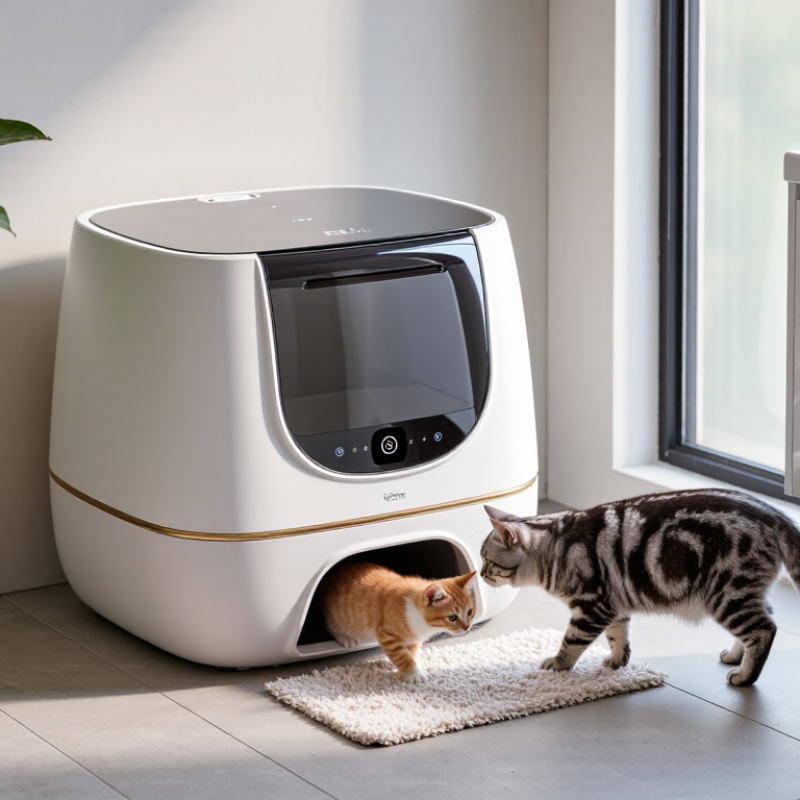
What Is Smart Cat Litter and How Does It Work?

What Smart Cat Litter Is and How It Differs from Regular Litter

Smart cat litter usually means a litter setup paired with sensors, an app, or an automatic cleaning box. The litter itself is often ordinary granules; the “smart” features come from equipment that observes or handles the box. Depending on the system, sensors may record visits, estimate a cat’s weight, or flag changes in bathroom habits. Some units sift waste after use, reducing the need for daily scooping.

Regular litter works passively. Clumping varieties bind around urine, while non-clumping types absorb moisture or let it drain through. Owners check the tray by sight and smell, then scoop or replace the litter themselves. Smart systems can make cleaning more consistent, but they do not remove every chore. Waste bins still need emptying, and the tray needs washing.

Not magic.

The term is not used consistently, so check what a product actually measures before relying on it. A sensor may count visits without identifying which cat used the tray, especially in a multi-cat home. Litter texture and scent also matter: a cat may reject a new material even if its tracking features seem useful. Small changes can help reveal whether the cat accepts it, though monitoring data should not replace attention to visible changes in urine, stool, or behavior.

The Sensors and Technology Inside a Smart Litter System

A smart litter system turns tray use into measurable events. Depending on its design, load cells weigh a cat during a visit, while motion or infrared sensors detect entry and exit. Optical sensors may track clumps or litter levels. The device can log visit times, duration, and sometimes waste weight, then send summaries to an app. Small details matter: a tray on an uneven floor can produce unreliable readings.

Software compares those readings with a cat’s usual pattern and may flag changes in visit frequency or output. But shared trays, litter changes, and a shifted device can confuse the data. The American Pet Products Association’s 2025 State of the Industry Report estimated U.S. pet-industry spending at $152 billion in 2024. That broad figure shows the scale of pet care, not proof that connected litter systems improve health. Not a diagnosis. Treat alerts as prompts to check the tray and observe the cat; persistent changes warrant veterinary advice. Even careful systems have limits, and that deserves attention.

What Is Smart Cat Litter and How Does It Work? - The Sensors and Technology Inside a Smart Litter System

System Component How It Works Typical Data or Output Practical Use
Weight Sensors Load cells or pressure sensors measure changes in the system’s weight when a cat enters, exits, or uses the litter area. Approximate cat weight, usage time, and frequency of visits. Helps distinguish between cats in a multi-cat household and identify changes in bathroom habits.
Motion or Presence Sensors Infrared, optical, or other proximity sensors detect movement and whether the litter area is occupied. Entry events, exit events, occupancy duration, and cleaning-safety status. Prevents an automated cleaning cycle from operating while a cat is inside.
Rotation or Position Sensors Encoders, limit switches, or position sensors track the location and movement of a rotating drum, rake, or waste-removal mechanism. Operating position, cycle progress, and mechanical alignment. Supports controlled waste separation and helps detect incomplete or interrupted cycles.
Motor Current Monitoring The control system observes the electrical load drawn by the motor during movement. Abnormal resistance, stalled movement, or possible blockage. Triggers a stop or alert when waste, litter, or an object interferes with the mechanism.
Waste-Drawer or Bin Sensor A level, weight, or position sensor estimates how full the waste container is. Estimated fill level and emptying reminders. Reduces overflow risk and indicates when the waste bag or container needs attention.
Humidity and Temperature Sensors Environmental sensors measure conditions inside or around the waste compartment. Relative humidity and ambient or compartment temperature. Provides maintenance information and may help explain odor, clumping, or litter-performance changes.
Odor-Control Module A sealed waste compartment, ventilation path, carbon filter, or optional deodorizing component limits the spread of odors. Filter condition or scheduled odor-control operation, where supported. Helps keep the surrounding area fresher between waste-disposal cycles.
Control Board and Firmware A microcontroller combines sensor readings with programmed rules to operate motors, timers, safety checks, and alerts. Usage records, error codes, cycle status, and maintenance events. Coordinates the complete cleaning process and applies safety logic.
Wireless Connectivity A wireless communication module sends selected device data to a mobile application or home network. Notifications, usage history, fill-level warnings, and device status. Allows remote monitoring and alerts when attention is required.
Data Analysis and Trend Tracking Software organizes repeated usage events by time, duration, and estimated cat identity. Daily or weekly visit counts, average usage intervals, and trend changes. Can help owners notice unusual changes, although it is not a substitute for veterinary diagnosis.
Safety and Manual Override Mechanical guards, presence checks, timed delays, and manual controls provide layers of protection during operation. Safety lock status, interrupted cycles, and manual reset events. Allows the system to stop safely and gives the owner control during cleaning or maintenance.

Note: Smart litter systems can monitor behavior and automate cleaning, but sensor readings are estimates and should not be treated as medical advice.

How Smart Cat Litter Detects and Records Cat Behavior

Smart cat litter systems track patterns around the litter box, not a cat’s health directly. A built-in scale can record each visit’s time and duration, while sensors may estimate waste volume or detect cleaning cycles. The system then compares new visits with a cat’s usual routine and sends alerts when patterns shift. Useful details. But readings can be imperfect: two cats of similar weight may be difficult to distinguish, and litter clumps can vary.

The 2024 APPA National Pet Owners Survey estimated that 46.5 million U.S. households had cats. That large population makes routine monitoring relevant, but the figure does not prove that any sensor can diagnose illness. A longer visit or more frequent trips may be worth discussing with a veterinarian, especially alongside visible changes at home. Keep the litter type and box location consistent; sudden changes can affect both the cat and the readings. Check alerts against what you observe. That distinction matters. A missed visit, a houseguest’s cat, or a sensor blocked by litter can distort the record. Treat the log as a useful prompt, not a verdict.

What Is Smart Cat Litter and How Does It Work?

How smart litter systems detect and record cat behavior

Smart litter systems may use weight and motion sensors to log box visits and estimate urination or defecation events. These general daily frequency ranges are only a guide; a cat’s normal pattern can vary. Tracking changes over time can be useful, but the chart is not a diagnosis.

How Collected Data Is Analyzed and Sent to an App

A smart litter system turns ordinary tray visits into a stream of measurements. Sensors may record a cat’s weight, visit time, and how long it stays. Some units also estimate waste volume. Each visit adds a small data point, like a timestamp beside a reading on a scale.

The device’s software compares new readings with that cat’s usual pattern. It may flag more frequent visits or a noticeable change in weight. A single unusual visit can be misleading, so useful alerts usually depend on repeated changes, not one event. The system may also confuse two cats, especially if their weights are similar. That limitation matters.

After analysis, the device sends summaries to an app through a wireless connection. The app might show a weekly chart, visit counts, or a notification about a changing routine. Small changes matter. Owners can review dates and readings, then share relevant details with a veterinarian. These measurements are observations, not a diagnosis. Connection delays, sensor placement, and litter conditions can affect results, so the numbers deserve a careful look rather than blind trust.

Benefits, Limitations, and Safety Considerations of Smart Cat Litter

Smart cat litter uses sensors or a connected scale to track visits, waste weight, and sometimes moisture or urine patterns. An app can flag changes, such as more frequent visits or smaller clumps. That can help caregivers notice a shift sooner, especially when a cat’s habits are subtle. It is useful, but not a diagnosis.

The AAFP and ISFM environmental-needs guidelines recommend one litter box per cat, plus one extra, in separate, accessible locations. Smart features do not replace that basic setup. A JAVMA analysis of veterinary records estimated feline lower urinary tract disease in about 1.5% of cats studied; even so, a sensor cannot identify the cause of changed urination. A vet can. One odd reading may reflect a missed sensor event, a new litter texture, or a dirty tray. The numbers can mislead.

Keep cords and charging points away from splashes, and clean the tray as directed. Avoid dusty litter if it irritates your cat or household members. Watch your cat, too: a scale may record weight, but it cannot show straining, discomfort, or blood in urine. Not a diagnosis. If your cat repeatedly visits the box, produces little urine, or seems distressed, contact a veterinarian promptly. Older cats, multi-cat homes, and cats with prior urinary problems may need closer observation, but app alerts should not create false confidence.

FAQS

What is smart cat litter?

It usually combines regular litter with sensors, an app, or an automatic cleaning box. The litter itself may be ordinary granules. The equipment provides the smart features.

How does smart litter differ from regular litter?

Regular litter works passively. Owners inspect the tray, scoop waste, and replace litter themselves. Smart systems can track visits or sift waste, but they still need cleaning. Not magic.

What information can a smart litter system record?

Sensors may record visit times, estimated weight, stay duration, and sometimes waste volume. Each visit becomes a small data point.

How does the system send information to an app?

The device analyzes readings and sends summaries through a wireless connection. The app may display visit counts, weekly charts, or routine-change alerts.

Can the system identify which cat used the tray?

Not always. In a multi-cat home, similar weights can confuse the system. A visit count may be accurate, but the cat’s identity may be wrong.

Should one unusual reading cause concern?

Usually, repeated changes are more meaningful than one unusual visit. Connection delays, litter conditions, and sensor placement can distort the numbers.

Does smart litter replace daily care?

No. Waste bins still need emptying, and the tray still needs washing. Automatic cleaning reduces some work, not every chore.

Can a cat reject smart litter?

Yes. Texture and scent may matter more than tracking features. A cat might avoid unfamiliar material, even when the data looks useful. Observe carefully.

Can app data diagnose a health problem?

No. The readings are observations, not a diagnosis. Owners should compare patterns with visible urine, stool, and behavior changes, then share useful details with a veterinarian. I might overtrust a neat chart.

Conclusion

Smart Cat Litter is a technology-enabled litter system designed to monitor a cat’s litter-box use, unlike regular litter, which provides no automatic tracking. Depending on the system, sensors may detect changes in weight, movement, or other activity to record visits and estimate patterns such as frequency and duration. The collected information can be processed and sent to a mobile app, helping caregivers review trends and notice changes in their cat’s routine.

These systems can make everyday monitoring more convenient, but their readings are estimates and should not be treated as a diagnosis or a substitute for veterinary advice. Accuracy may vary with the litter box setup, the cat’s habits, and the presence of multiple cats. Caregivers should also consider cleaning and maintenance, data privacy, and safe placement, and consult a veterinarian if they notice persistent or concerning changes in their cat’s behavior.


Aria

Aria

Aria is a dedicated marketing professional with a deep passion for innovative strategies and a keen understanding of our company's product offerings. With a wealth of experience in the industry, Aria excels at crafting engaging content that highlights the unique features and benefits of our......