Choosing the right premium cat litter is crucial for your feline friend’s health and happiness. The right litter can make a significant difference in odor control, tracking, and texture. Cats are often picky about their litter. They prefer a soft, comfortable feel beneath their paws.
When selecting premium cat litter, consider the materials used. Some litters are made from natural substances, while others are clumping clay. Each type has its benefits. For example, natural litters are often biodegradable. However, they may not control odors as effectively. On the other hand, clumping clay litters offer superior odor control but may contain chemicals that raise concerns.
It can be challenging to find the perfect fit for your pet. Trial and error may be necessary. Be attentive to your cat’s reactions. If they avoid the litter box, it might be time to reconsider your choice. Quality matters. Premium cat litter can enhance your cat's litter box experience, promoting a healthy routine.
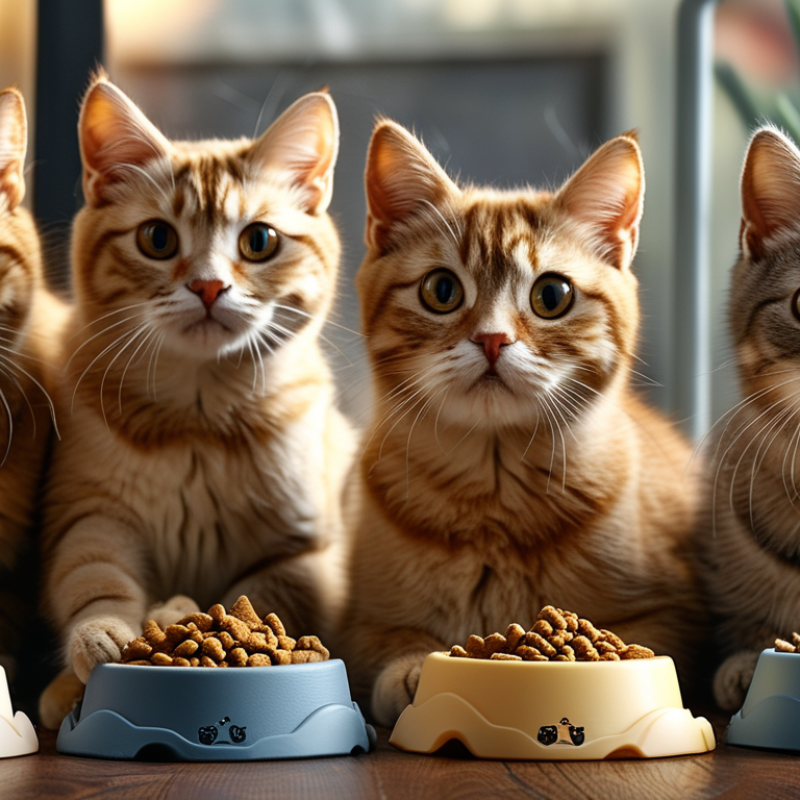
When choosing premium cat litter, several factors play a crucial role in ensuring your cat's comfort and health. The texture of the litter is important. Cats often prefer fine-grained materials. According to a study by the Journal of Feline Medicine and Surgery, cats are more likely to use litter that feels soft underfoot. This preference can influence their overall behavior and toilet habits.
Odor control is another major consideration. Premium litters often contain natural materials that help neutralize smells without the use of harsh chemicals. Data from the American Animal Hospital Association suggests that many pet owners rank odor control as their top priority. High-quality litters can absorb moisture effectively, reducing waste odors and keeping your home smelling fresh.
Finally, sustainability is becoming increasingly significant. More pet owners are seeking eco-friendly products. A report by Packaged Facts indicates that 38% of consumers are interested in biodegradable litter options. This shift reflects an awareness of environmental impact. Choosing a litter that balances performance with sustainability can be challenging but rewarding. Each choice contributes to your pet's experience and the health of our planet.
When it comes to selecting premium cat litter, understanding the different types is crucial.
Clumping clay litter is one of the most popular choices. It absorbs moisture and forms solid clumps, making cleaning easy.
According to a recent industry report, about 70% of cat owners prefer clumping litter for its convenience. However, it can generate dust, which might irritate sensitive cats and their owners.
Another option is crystal litter. These litter types are made from silica and can effectively reduce odor.
They are low in dust and can last longer than clay. However, they may not absorb liquid as well, sometimes leaving behind a mess.
A survey indicated that around 30% of cat owners find crystal litters less effective in moisture absorption compared to clay options.
Biodegradable litters are also gaining popularity. Made from materials like corn, wheat, or recycled paper, they are more environmentally friendly.
Although they can be composted, some users note that they often lack the clumping ability of traditional litters. They also tend to be pricier.
Feedback from pet owners highlights a common struggle: finding a balance between eco-friendliness and effectiveness.
Each type of litter has its pros and cons, making the decision a matter of personal preference and the specific needs of your cat.
Choosing the right premium cat litter hinges on two critical factors: absorbency and odor control. Research shows that cats prefer litters that quickly absorb moisture. A study from the Journal of Feline Medicine found that clumping litters excel in moisture absorption, an essential feature for maintaining cleanliness. In contrast, non-clumping types tend to retain moisture, leading to a less appealing litter box.
When evaluating odor control, the materials used in the litter play a significant role. Natural clays, like bentonite, are often better at neutralizing odors compared to alternatives. A 2021 report noted that 80% of cat owners prioritize odor suppression when selecting litter. This choice impacts the overall satisfaction of both cats and their owners. Observing your cat's behavior can provide insights. If your pet avoids the litter box, it might be time to rethink your options.
Tips:
Test different formulations. Monitor how well they absorb and manage odors. Keep a close eye on your cat's reactions. Adjust your selection based on those responses. Regular cleaning also enhances effectiveness. Change the litter regularly to maintain a fresh environment.
When selecting premium cat litter, dust and tracking are critical factors. Many litters generate dust, which can affect both pets and humans. Inhaled dust may lead to respiratory issues. Choosing a low-dust formula can enhance the health of your cat and family members.
Tracking occurs when litter sticks to your cat’s paws. This can create a mess around your home. Look for litter designed to minimize tracking. Some materials tend to stay in the box better than others. Consider trying different types to see which works best in your home.
Tips: Always observe your cat’s behavior after introducing a new litter. Did they seem bothered by dust? Does the litter stick to their paws? These signs can guide your decision. Regularly clean the litter box to reduce dust buildup. Sometimes, even the best litters can have issues. It’s essential to reflect on how your choice impacts your space and your pet's comfort.
| Type of Cat Litter | Dust Level | Tracking | Absorption | Price (per 10 lb) |
|---|---|---|---|---|
| Clumping Clay | Low | Moderate | High | $5.99 |
| Crystal Litter | Very Low | Low | Moderate | $8.99 |
| Natural / Biodegradable | Low | Moderate | High | $7.49 |
| Paper Pellet Litter | Very Low | Very Low | Low | $6.49 |
| Wood Pellet Litter | Low | Low | Moderate | $5.49 |
When budgeting for premium cat litter, it’s essential to know what to expect. Premium cat litter often comes with a higher price tag than conventional options. Prices can range from $15 to $40 per bag, depending on the type and features. Consider how long a bag lasts for your cat’s needs. This will help you gauge the monthly expense.
Tips: Evaluate different types like clumping, non-clumping, or natural. Each type has varying prices and qualities. Take note of your cat's preferences. Some cats can be picky and refuse to use certain litters.
Another aspect is the value of health benefits. High-quality litters often control odors better and reduce dust. This means a happier and healthier environment for your pet. But, it’s wise to do some research. Not all premium products meet expectations. Reading reviews can help guide your decision process.
Tips: Buy in smaller quantities first. Test your chosen litter before committing to bulk purchases. It’s an easy way to assess compatibility with your pet. Pay attention to any changes in behavior. If your cat is not using the litter box, it may be time to rethink your choice.
: Focus on texture, odor control, and sustainability. Cats prefer fine-grained litter for comfort.
Cats favor soft materials underfoot. This can affect their behavior and litter box habits.
Many pet owners prioritize odor control. High-quality litters can neutralize smells effectively without harsh chemicals.
Absorbency is critical. Clumping litters tend to absorb moisture better than non-clumping types.
Yes, as more people seek sustainable options. Biodegradable litters reflect growing environmental awareness.
Prices range from $15 to $40 per bag. Consider how long a bag lasts to estimate monthly costs.
Rethink your litter choice. Changes in behavior may indicate dissatisfaction with the current litter.
Absolutely, it’s wise to buy smaller quantities first. Observe your cat’s reactions before committing to large purchases.
Focus on absorbency, odor control, and health benefits. Not all premium products deliver results.
Regular cleaning is crucial for effectiveness. Change the litter often to maintain a fresh environment for your cat.
When selecting the best premium cat litter for your pet, several key factors should be considered. First, evaluate the different types of premium cat litter available, such as clumping, non-clumping, and biodegradable options, each with its own pros and cons. Absorbency and odor control are crucial for maintaining a fresh environment for both you and your cat, so choosing a litter that excels in these areas is essential. Additionally, the levels of dust and tracking should be taken into account to ensure a clean living space.
Budgeting for premium cat litter is also an important aspect of your selection process. While premium options may come with a higher price tag, understanding what to expect in terms of quality and performance can help justify the investment. Ultimately, prioritizing your cat's needs alongside your own preferences will lead you to the ideal premium cat litter that enhances both comfort and cleanliness.

TOM'S FAMILY