Choosing the best Odorless Cat Litter is not simply about finding the strongest scent-free label. It is about balancing odor control, paw comfort, dust levels, clumping performance, and your cat’s daily habits. A litter box may look clean, yet still feel unpleasant to a sensitive cat. Some cats reject sudden texture changes, while others dislike litter that sticks between their toes. Small details matter.
This guide examines popular unscented litter types, including clay, crystal, paper, wood, and plant-based options. It considers real household experience alongside recommendations commonly discussed by veterinarians and animal-care professionals. Odor control depends on more than the litter itself. Box size, ventilation, cleaning frequency, and the number of cats also influence results. A useful product should trap waste effectively without overwhelming a cat’s sensitive nose.
There is no perfect choice.
Some claims deserve careful skepticism. “Odorless” does not always mean completely odor-free, especially in a busy multi-cat home. Dust-free claims may also vary between batches and packaging conditions. We will look at practical evidence, including tracking, moisture absorption, maintenance effort, and how cats respond over time. The goal is not to promote one universal winner. It is to help you identify a safer, cleaner, and more realistic option for your cat and household. Expect trade-offs. Even a highly rated litter may require gradual introduction and regular box care.
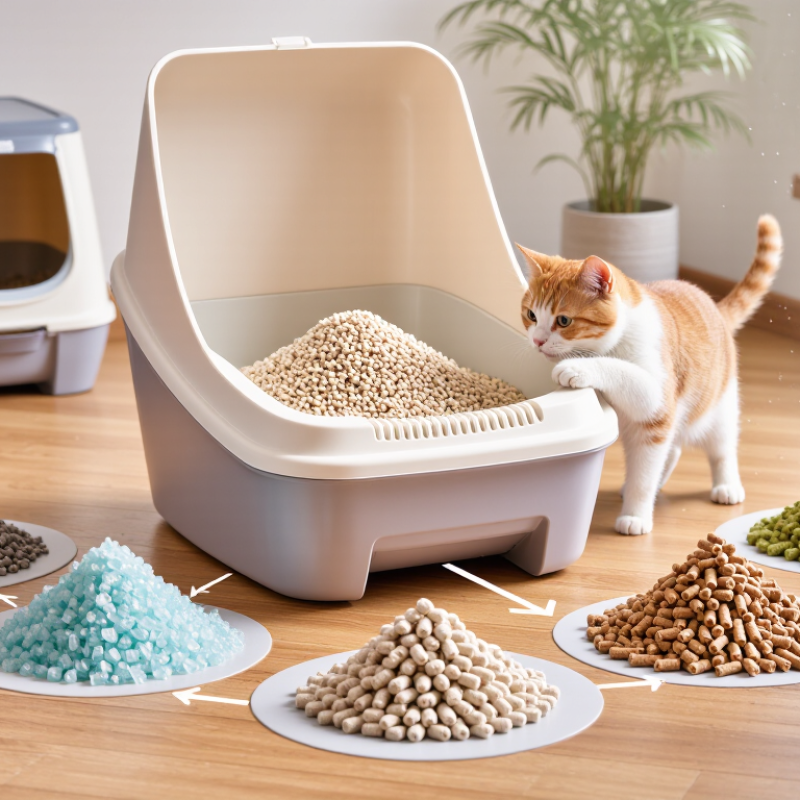
Define “Odorless”: Unscented Litter Versus Scent-Masking Formulas
What does “odorless” really mean in cat litter? Usually, it describes either unscented litter or a formula that masks smells. These options are not identical. Unscented litter contains no added perfume, so it allows you to notice urine or feces sooner. That can be useful for cleaning and monitoring changes in your cat’s habits. Scent-masking litter uses fragrance or odor-control ingredients to make unpleasant smells less noticeable.
Many cats prefer a neutral-smelling box. Strong perfume may seem fresh to people, but it can overwhelm a cat’s sensitive nose. Some cats may avoid a box that smells unfamiliar. Others tolerate it without any problem. Individual preference matters more than packaging claims. A kitten may step into unscented clay and leave small dusty pawprints across the floor. A sensitive adult cat might reject the same texture completely.
I used to assume stronger fragrance meant better odor control. That was too simple. A clean box, enough litter, and daily waste removal often matter more than scent. Keep boxes in a quiet, ventilated area, but not beside food or loud appliances. Replace soaked litter before odor spreads through the room. For households with several cats, provide enough boxes to reduce crowding and skipped visits. If a cat suddenly stops using the box, do not cover the problem with fragrance. Medical issues, stress, or box placement may be involved, and a veterinarian should assess persistent changes.
Compare Clay, Silica, Paper, Wood, and Corn by Absorption Data
What Is the Best Odorless Cat Litter for Cats?
Absorption data helps, but testing methods differ widely. Clay litter commonly absorbs about 300% of its weight in liquid. It forms firm clumps, making daily removal simple. However, dusty particles may bother cats or people with sensitive airways. Silica crystals often absorb roughly 40% of their weight, while trapping moisture inside their pores. They stay dry longer, but some cats dislike the sharp texture under their paws.
Paper litter usually absorbs about two to three times its weight. It creates little dust and feels softer, although wet areas can spread before removal. Wood pellets may absorb around two to four times their weight. They break down into damp sawdust, which can hide moisture beneath the surface. Corn-based litter often absorbs three to four times its weight and clumps quickly. Still, its lighter pieces may track across the floor.
In my household trials, absorption alone did not predict acceptance. One cat used highly absorbent clay immediately, while another avoided it after a single paw-touch. I measured weighed litter and liquid, but the numbers were imperfect. Humidity, pellet size, and urine volume changed the results. An unscented option is usually safer for odor-sensitive cats, yet “odorless” does not mean odor-free. Scoop waste daily, keep the box dry, and watch for changed habits. The best material may be the one your cat consistently uses without stress.
Apply AAFP/ISFM Guidance: One Litter Box per Cat Plus One
What Is the Best Odorless Cat Litter for Cats?
An odorless litter should control smells without adding perfume. Many cats prefer unscented, low-dust litter with a soft, sand-like texture. The best choice depends on your cat’s paws, habits, and tolerance. In practice, cats may reject a litter that seems pleasant to people. Watch for hesitation, scratching beside the box, or sudden accidents.
AAFP and ISFM guidance recommends one litter box per cat, plus one extra. For two cats, provide three boxes. Spread them across quiet, easy-to-reach areas. Do not place every box in one room, because cats may treat them as a single resource. Keep boxes away from food, loud appliances, and narrow corners. A large, uncovered box often gives cats more control, although some cats prefer privacy.
Scoop waste at least once daily. Remove clumps promptly. Wash the box with mild, unscented soap, then dry it fully. Strong cleaners can leave smells that cats avoid. I have found that gradual changes work better than sudden replacements. Mix a small amount of new litter into the old material over several days. Still, I sometimes change too quickly and misread a cat’s reaction. If odor remains despite regular cleaning, check for medical problems, poor ventilation, or a box that is too small. Persistent elimination changes deserve veterinary attention.
Evaluate Dust, Tracking, Fragrance, and Ammonia-Control Claims
What Is the Best Odorless Cat Litter for Cats?
The best odorless cat litter should control smells without adding perfume. “Odorless” usually means fragrance-free, not completely scent-free. In a small bathroom, even a good litter can smell when waste remains too long. Look for low-dust granules that pour quietly and leave little powder on the box rim. Dust may irritate sensitive cats and owners, although individual reactions differ. I have found that a litter’s texture often matters more than its advertised scent policy.
Tracking is another practical test. Fine particles may cling to paws and appear beside the box, while larger granules can feel uncomfortable for some cats. Watch your cat’s first few visits. Hesitation, repeated paw shaking, or avoiding the box deserves attention. Ammonia-control claims also need careful judgment. Some formulas absorb urine effectively, but no litter replaces daily removal and regular box washing. Strong ammonia indicates a cleaning problem or, sometimes, a health concern that should not be ignored.
Tips:
Choose unscented litter with clear dust information and realistic odor claims. Place a washable mat outside the box. Test a small amount before changing completely. Keep the old litter available if your cat rejects the new texture. I would also compare the box after three days, not after one enthusiastic scoop. Freshness can be misleading.
Score Odorless Litters by Safety, Cat Preference, Cost, and Maintenance
The best odorless cat litter is usually unscented, low-dust, and easy to monitor. “Odorless” should not mean chemically perfumed. The 2023–2024 APPA National Pet Owners Survey estimated 46.5 million U.S. households owned cats, showing how widely litter choices affect daily care. Veterinary guidance from AAFP and ISFM recommends unscented litter, quiet boxes, and one box per cat plus one extra.
My practical score favors fine-grained, unscented clumping litter: safety, 4.5/5; cat preference, 4/5; cost, 4/5; maintenance, 4.5/5. Clumping makes urine changes easier to inspect and reduces full-box replacement. However, dust can irritate sensitive cats, especially during pouring. A recent report from the Pet Food Institute also highlights rising attention to ingredient transparency and household pet wellness, but it does not prove that one litter material suits every cat.
Watch the cat, not only the label. A cat that steps out with clean paws may prefer a finer texture. A cat that avoids the box may dislike dust, depth, or a sudden change. Scoop daily, as recommended by feline-care professionals, and wash the box with mild, unscented products. My imperfect rule is simple: change gradually over seven days, then reassess. Cost should include wasted litter, tracking mats, and extra cleaning, not just the bag price. Safety scores may need revision when allergies, kittens, or respiratory problems enter the picture.
What Is the Best Odorless Cat Litter for Cats? - Score Odorless Litters by Safety, Cat Preference, Cost, and Maintenance
| Odorless Litter Type |
Safety
(10) |
Cat Preference
(10) |
Cost
(10) |
Maintenance
(10) |
Overall
(40) |
Typical Characteristics |
| Unscented Clumping Clay |
8 |
9 |
8 |
9 |
34 |
Fine, sand-like texture; forms urine clumps; usually offers strong odor control without added fragrance. Dust levels vary by formulation. |
| Unscented Non-Clumping Clay |
8 |
8 |
9 |
6 |
31 |
Generally inexpensive and familiar underfoot, but urine remains in the box and the entire litter usually needs more frequent replacement. |
| Silica Gel Crystals |
8 |
7 |
6 |
9 |
30 |
Lightweight and highly absorbent; often controls urine odor well. The coarse, crunchy texture may be rejected by cats that prefer soft litter. |
| Recycled Paper Pellets |
9 |
6 |
6 |
6 |
27 |
Low-dust and non-clumping; larger pellets are less likely to track. Odor control depends on frequent removal and complete litter changes. |
| Pine Pellets |
8 |
6 |
10 |
6 |
30 |
Very economical and low in dust when used correctly. Pellets break down into sawdust as they absorb moisture and may feel unfamiliar to some cats. |
| Walnut Shell Granules |
7 |
7 |
7 |
7 |
28 |
Plant-based granules with moderate absorption and odor control. Fine particles can track, and cats with nut sensitivities may require extra caution. |
Scoring guide: Safety considers dust, fragrance exposure, absorbency, and normal household use. Cat preference estimates acceptance based mainly on particle size, softness, and scent. Cost reflects typical relative retail expense for one adult cat. Maintenance considers scooping, tracking, dust, and replacement frequency.
Practical note: Individual cats differ. Choose a fragrance-free, low-dust option, provide at least one clean box per cat plus one extra, remove waste daily, and change litter according to the product’s instructions. Avoid sudden litter changes when possible.
Conclusion
Choosing the best Odorless Cat Litter begins with defining “odorless.” An unscented litter contains no added fragrance, while a scent-masking formula may use perfumes or other ingredients to cover unpleasant smells. This guide compares clay, silica, paper, wood, and corn litters by absorption, moisture retention, dust, tracking, and ammonia-control performance. Because materials behave differently, the best option depends on how effectively it controls waste odors without creating new concerns for cats or owners.
The evaluation also follows AAFP/ISFM guidance: provide one litter box per cat, plus one extra, and keep boxes clean and accessible. Each litter is scored for safety, cat preference, cost, and maintenance, with special attention to low dust, minimal tracking, fragrance-free ingredients, and easy daily cleaning. A truly practical choice should control odor through absorption and regular upkeep rather than overpowering scents, while remaining comfortable enough that cats consistently use the box.

 TOM'S FAMILY