Choosing the right cat litter pellets is essential for pet owners. With numerous options available, it can be overwhelming to decide which one to purchase. Cat litter pellets come in various materials, such as clay, wood, and corn, each offering unique benefits and drawbacks. Some absorb moisture better, while others are more environmentally friendly.
Consider your cat's preferences and your lifestyle. Cats can be picky about texture and smell. If the litter is uncomfortable, your cat may avoid the litter box altogether. Additionally, think about cleaning ease. Some pellets clump tightly, making it simpler to remove waste. Others break down quickly, potentially creating more mess.
Researching and comparing brands can enhance your choice. Look for reviews from reputable sources. Understanding various formulations can aid in your decision. Balancing quality, price, and your cat's needs is crucial. Ultimately, the right cat litter pellets will promote a happier, healthier environment for your feline friend.
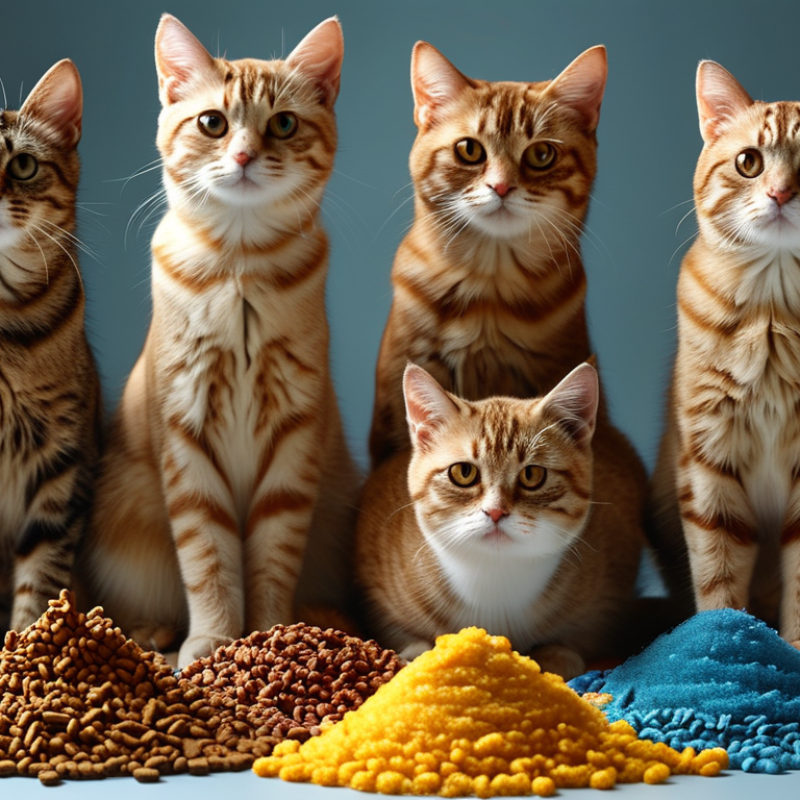
Overview of Cat Litter Pellets and Their Benefits
Cat litter pellets offer a unique solution for cat owners seeking a cleaner, more convenient way to manage feline waste. These pellets are typically made from natural materials, such as wood, corn, or recycled paper. They trap odors effectively and absorb moisture, helping to keep the litter box dry. Many pet owners report that pellets create less mess than traditional clumping litter, making cleanup simpler and faster.
Transitioning to cat litter pellets may take some time. Cats are creatures of habit, and they might resist change initially. It's essential to observe their reactions when introducing pellets. Some cats adapt quickly, while others might need a gradual transition period. This process can reveal individual preferences, shedding light on what works best for each pet and their owner.
In terms of environmental impact, pellet systems are often more sustainable than standard clay litters. Biodegradable options help to reduce waste in landfills. However, it’s crucial to choose the right type for effectiveness. Not every pellet brand performs equally well. Some may not control odors as efficiently or break down quickly. Experimenting with different types can point you toward the best option for your cat's needs and your eco-conscious values.
Types of Cat Litter Pellets Available in 2026
In 2026, cat litter pellets have diversified significantly. Pet owners now have options that cater to various needs and preferences. Common types include clay, wood, corn, and paper pellets. Clay pellets absorb moisture effectively and are often clumping, making cleanup easier. Research shows that over 70% of cat owners prefer clumping varieties for this very reason.
Wood pellets are another alternative. They are biodegradable and offer sustainability. A growing number of consumers are opting for eco-friendly products. In a recent survey, 45% of pet owners indicated they would choose a litter that is kinder to the environment. However, wood pellets may not control odor as effectively as clay options.
Corn and paper-based pellets are also gaining traction. Corn pellets tend to be lightweight and absorb odor well. Yet, some users report a higher dust level, which can be an issue for sensitive cats. Paper pellets are gentle on paw pads but may require more frequent changing. Each type comes with its pros and cons, reflecting the diverse needs of cat owners. This complexity can lead to indecision, as pet parents weigh their priorities.
Factors to Consider When Choosing Cat Litter Pellets
When choosing cat litter pellets, several factors merit careful consideration. A primary factor is absorbency. According to industry reports, litter types with higher absorbency keep odors at bay longer and require less frequent changing. This is particularly relevant for multi-cat households, where the buildup of waste can escalate quickly.
Another aspect to ponder is dust production. Some litters generate significant dust, which can be problematic for both cats and humans, especially those with respiratory issues. A report from the Feline Health Center indicates that dust-free options are beneficial for maintaining a clean environment. Additionally, consider the pellet material—options may include wood, corn, or recycled paper. Each has distinct characteristics in terms of sustainability and biodegradability.
For optimal results, test different types of pellets to find the best fit for your cat’s preferences. Observe your feline’s behavior closely. Does your cat seem comfortable? Is there a particular type of litter your cat avoids? Be mindful of these cues. Using lightly scented options can help mask odors without overwhelming your pet. Keep in mind that some pellets can be heavier than others, making the cleaning process more cumbersome. Finding the balance can enhance the overall litter experience for both you and your cat.
Top Rated Cat Litter Pellets for Different Budgets
When it comes to choosing cat litter pellets, pet owners often face a challenging decision. Various types of litter cater to different budgets, preferences, and feline needs. According to industry reports, over 70% of cat owners express satisfaction when using pellet litters made from natural materials. These eco-friendly options are gaining popularity due to their sustainability and effectiveness in odor control.
Selecting the right litter can impact your cat’s behavior. For budget-conscious buyers, affordable options may still provide solid clumping ability and odor control while being gentle on your cat's paws. Research from the Pet Product Innovation study indicates that about 60% of cat owners prioritize odor neutralization in their choices. High-quality pellets excel in minimizing unpleasant smells, making them a popular choice for many households.
When considering litter types, observe your cat’s reactions. Some may dislike the texture of specific pellets, leading to bathroom avoidance. Experiment with a few types to find the perfect match. Pay attention to clumping ability, dust, and tracking, as these factors contribute to overall satisfaction. Always remember to transition slowly to new litter to avoid stressing your cat.
Comparison of Popular Cat Litter Pellet Brands
When choosing the best cat litter pellets, it’s vital to compare the popular brands. Each brand has its unique features. Some pellets are made from natural materials, while others use synthetic options. Natural pellets often provide better odor control and absorbency. However, synthetic varieties might offer longer-lasting results. Cats can be picky, so it's essential to observe their preferences.
Selecting the right litter can also impact your cat's behavior. Some cats prefer softer textures that feel more comfortable. A softer pellet may encourage better litter box habits. Make sure to test different types to see what your cat prefers. You might find that one brand works better for your furry friend.
Consider keeping your litter box clean. Regular cleaning can prevent odors and keep your pet happy. Monitor how much litter your cat digs through. If you notice excessive digging or clawing, a change in texture might be necessary. Keeping an eye on your cat’s behavior will help you make the best choice.
FAQS
: Common options include clay, wood, corn, and paper pellets. Each type offers unique benefits.
Over 70% favor clumping litter for easier cleanup and better moisture absorption.
Yes, wood pellets are biodegradable. They're popular among eco-conscious pet owners, but may lack odor control.
Corn pellets are lightweight and absorb odors well. However, they may have higher dust levels, affecting sensitive cats.
Paper pellets require more frequent changing. They are gentle on paws but can be less durable.
Pay attention to clumping ability, dust levels, and your cat's preferences. Experiment with different types to find the right one.
If your cat dislikes the texture, it may avoid using the litter box. Choosing the right type is essential.
Around 60% of owners prioritize odor control. High-quality pellets excel in reducing unpleasant smells.
Introduce new litter gradually to minimize stress. Monitor your cat's reactions during the transition.
Affordable options can still be effective. Balance budget with quality for best clumping and odor control.
Conclusion
Cat litter pellets have become increasingly popular among pet owners due to their effectiveness and convenience. These pellets come in various types, each offering unique benefits such as odor control, absorbency, and ease of cleaning. When selecting cat litter pellets, factors such as material composition, budget, and your cat's preferences should be considered to ensure a suitable choice for both you and your feline friend.
In 2026, the market offers a diverse range of cat litter pellets that cater to different financial constraints and priorities. By comparing the top-rated options, pet owners can find the best fit for their needs, ensuring their cats remain comfortable and happy. Understanding the differences between popular brands and their specific features will help in making informed decisions, ultimately leading to a cleaner and more pleasant environment for both cats and their owners.

 TOM'S FAMILY