Choosing a reliable Cat Litter manufacturer in China takes more than comparing a low quoted price. Buyers need to assess material consistency, production capacity, packaging options, export experience, and communication before placing an order. A sample that looks clean in a showroom may behave differently after shipping or several days in a litter tray. Small details matter.
China’s supplier landscape includes factories focused on bentonite, tofu, silica, and blended formulas. Their strengths can vary in clumping, dust control, odor management, and biodegradability. Product claims should be checked against current specifications, available test records, and hands-on sample trials. Ask how each manufacturer controls batch variation, monitors moisture, and handles damaged bags or delayed shipments. Get answers in writing. That helps.
This guide explores how to identify leading Chinese Cat Litter manufacturers without treating a ranking as a guarantee. Company reputation, certifications, minimum order quantities, lead times, and private-label support can change, while public information may be incomplete. We focus on practical evidence buyers can verify, including factory capabilities, quality processes, product range, and customer service. No supplier is perfect. A careful comparison can narrow the field, but the right partner depends on your market, target price, and performance needs. Even experienced buyers may miss a weakness until a full production run; that deserves honest attention.
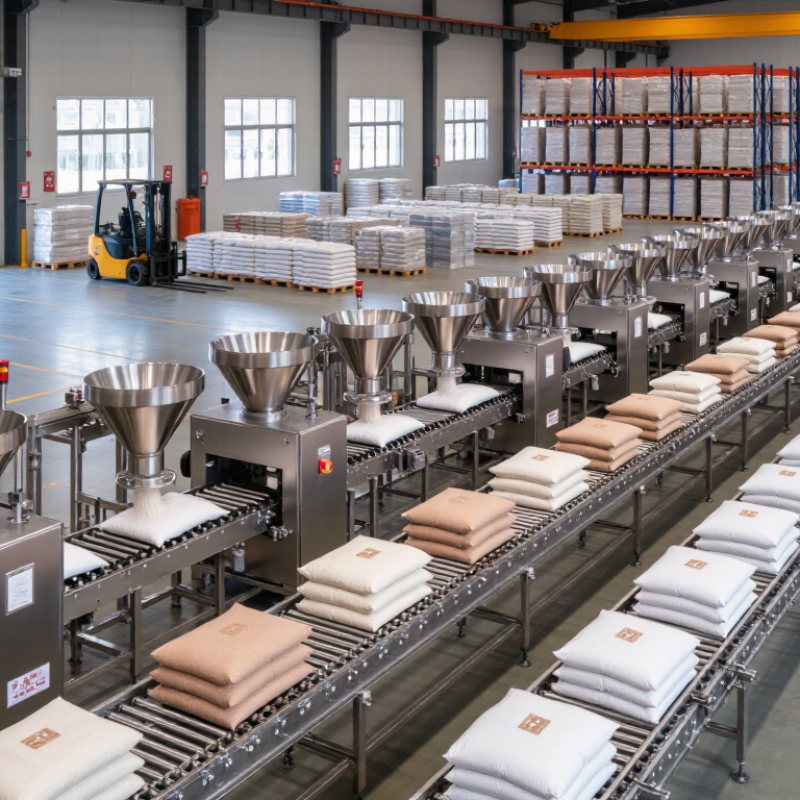
China’s cat litter manufacturing industry combines mineral processing, agricultural by-product use, packaging, and export logistics. Common products include bentonite, tofu-based, and silica gel litter. Their production needs differ: bentonite is crushed and screened, while plant-based litter requires drying and careful control of particle size. The details matter.
Factories may source minerals or plant fibers locally, then process, test, and pack them near transport routes. Production clusters can support access to suppliers and ports, though location alone does not guarantee consistent quality. Buyers often compare dust levels, absorbency, granule strength, odor control, and packaging durability. A sample tells only part of the story.
Reliable assessment takes more than a polished product sheet. Ask how batches are checked, whether specifications stay consistent, and how moisture is controlled during storage. Requesting recent test records and inspecting packaging can reveal practical differences. Some claims are difficult to compare directly, and testing methods may vary. That is a limitation worth acknowledging. The sector continues to adapt as buyers seek lighter packaging, lower dust, and materials with clearer sourcing information.
A reliable cat litter manufacturer should be judged by repeatable product quality, not a glossy showroom. The 2024 China Pet Industry White Paper estimated 69.8 million urban pet cats in China in 2023, underscoring the scale of domestic demand. Ask for recent batch records and test reports covering moisture, absorption, clumping strength, and dust. Compare samples from different production dates. A scoop test at home can reveal weak clumps, but it cannot replace controlled testing.
Manufacturing controls matter. Check whether raw materials are traceable, production parameters are recorded, and finished goods are inspected consistently. ISO 9001 certification can indicate a quality-management system, but it does not prove that every shipment meets your specification. Request independent laboratory results and confirm that the sample tested matches the product being quoted. Look closely at fine dust after pouring, and note whether bags arrive sealed and undamaged.
Capacity and communication deserve equal scrutiny. The Grand View Research cat litter market report valued the global market at about US$5.7 billion in 2023, reflecting a competitive, expanding sector. Ask suppliers how they handle peak-season orders, complaints, and corrective actions. Their answers should include dates, measurements, and named process steps. A polished factory tour proves little. Even good suppliers can have weak batches; buyers should leave room for verification.
| Evaluation Criterion | Suggested Weight | What to Evaluate | Evidence to Request |
|---|---|---|---|
| Product performance | 20% | Assess the litter type and its performance for the intended use, including clumping, liquid absorption, dust, tracking, odor control, and ease of cleaning. Compare products under the same test conditions. | Product specifications, representative samples, test methods, and results identifying the test conditions and sample details. |
| Quality management | 15% | Check whether incoming materials, production batches, and finished goods are inspected consistently, and whether nonconforming products are recorded and addressed. | Quality-control procedures, inspection records, batch traceability examples, and any applicable quality-management certificates with verifiable scope and validity. |
| Production capacity and consistency | 15% | Determine whether the facility can meet forecast order volumes and delivery schedules while maintaining consistent product specifications across batches. | Production capacity by product type, typical lead times, capacity-planning details, and recent batch records or production samples. |
| Raw material sourcing | 10% | Review the origin, specifications, and supply continuity of the main materials used, such as clay, plant-based fibers, silica gel, or other product ingredients. | Material specifications, supplier controls, incoming inspection records, and documentation supporting any origin or composition claims. |
| Safety and regulatory documentation | 10% | Confirm that product composition, handling information, and labeling are suitable for the destination market and the specific product category. Requirements can vary by market and product type. | Applicable test reports, safety or material documents, label drafts, and any required declarations or registrations for the target market. |
| Testing and traceability | 10% | Evaluate whether test results can be linked to a defined product, batch, and method, and whether retained samples or records are available for follow-up. | Recent laboratory reports, test-method descriptions, batch identification examples, and records of corrective actions where applicable. |
| Customization and product development | 8% | Check the manufacturer’s ability to develop or adjust product grades, particle sizes, fragrances, formulas, packaging formats, and private-label artwork where requested. | Development process, available options, sample approval procedure, tooling or setup requirements, and written confirmation of minimum order quantities. |
| Packaging and transport protection | 5% | Review package durability, closure integrity, moisture protection where relevant, palletization, and suitability for the intended shipping and storage conditions. | Packaging specifications, sample packaging, pallet-loading details, and any applicable transport or packaging test results. |
| Supply chain and delivery reliability | 4% | Assess order planning, communication about delays, export-document readiness, and the supplier’s approach to managing material or shipping disruptions. | Written lead-time commitments, order milestones, export-document checklist, and a documented process for communicating schedule changes. |
| Communication and after-sales support | 3% | Evaluate response clarity, technical support, complaint handling, and the process for investigating quality issues after delivery. | Named points of contact, response and escalation procedures, complaint-handling records, and agreed corrective-action timelines. |
| Total Suggested Weight: 100% | Use the weighting as a comparison framework and adjust it to your product, market, and sourcing priorities. Verify claims and documents directly before placing an order. | ||
China’s leading cat litter manufacturers are often distinguished by consistent production, material control, and reliable export support. Their factories may process bentonite, tofu-based ingredients, or other absorbent materials, depending on product specifications. A practical evaluation starts with the litter itself: check particle size, dust levels, clumping strength, and odor control using repeatable tests. Small details matter. A dusty sample can settle on a dark floor within minutes.
Experienced buyers should also examine how manufacturers manage quality between batches. Ask for written specifications, recent test results, and clear procedures for handling rejected products. A factory tour or independent inspection can help verify equipment, storage conditions, and packaging lines. Photos alone are not enough. Sampling several production batches gives a more realistic view, though it takes time and adds cost.
Strong manufacturers communicate openly about capacity, lead times, and raw-material changes. They should explain how moisture is controlled and how bags are protected during transport. Packaging deserves attention; weak seals can let in humidity before the product reaches a warehouse. No supplier is flawless, and a polished sample may not represent routine output. Keep expectations specific, document agreed standards, and reassess performance after regular shipments.
Who Are the Best Cat Litter Manufacturers in China?
Comparing manufacturers means looking beyond advertised prices. Product composition affects dust, odor control, absorption, and shipping weight. Bentonite litter forms clumps quickly, while tofu-based litter is lighter and often easier to pour. Ask for samples, then compare particle size, breakage, and dust in the same type of tray. Small differences matter.
Production capacity needs evidence, not just a large number on a brochure. Request the factory’s monthly output, current lead time, and typical order quantity. Check whether packaging, drying, and quality checks happen at the same site. A production line may look efficient, yet seasonal demand can still delay shipments. Ask how defects are recorded and handled. Details count.
Certifications can help assess quality systems and product claims, but verify their scope and validity. A factory-level certificate does not automatically cover every litter formula or shipment. Request current documents, product test reports, and the issuing body’s details. Confirm that the product name and manufacturing location match your order. Be cautious with vague labels such as “eco-friendly” unless specific test results support them. Even careful checks leave some uncertainty; samples and written specifications make comparisons more dependable.
Choosing a Chinese cat litter supplier takes more than comparing unit prices. Grand View Research estimated the global cat litter market at USD 13.58 billion in 2023 and forecast growth through 2030. That expanding market makes production consistency and reliable shipping worth checking closely. Ask suppliers for product specifications, recent batch test results, and details on raw-material sourcing. Compare samples for dust, absorbency, odor control, and clumping. A scoop test at home can reveal differences that a polished product sheet may miss.
Tips: Request samples from the same production batch you may order. Check packaging seals, particle size, and moisture after opening. Ask for a written quote that separates product, packaging, and freight costs.
Before placing a large order, confirm factory capacity and lead times with specific questions. Request a video walkthrough or arrange an independent factory audit when practical. Clarify minimum order quantities, payment terms, quality inspection steps, and how defects are handled. Verify export experience for your destination and ask for relevant documentation. A low quote may reflect thinner packaging or inconsistent granules, not better efficiency. I would not treat one successful sample as proof of steady quality; batch variation still needs monitoring. Begin with a smaller trial order, inspect it on arrival, and keep agreed specifications in writing.
Common types include bentonite, tofu-based, and silica gel litter. Their production methods differ.
Bentonite is crushed and screened. Plant-based litter needs drying and careful particle-size control. Small differences matter.
Check dust, absorbency, odor control, granule strength, and clumping. Try a scoop test at home. A sample is only one clue.
Ask for recent batch test records and written specifications. Ask how moisture is controlled during storage. Methods can vary.
Check the seals, packaging durability, particle size, and moisture after opening. A neat outer bag proves little.
Request separate costs for the product, packaging, and freight. Also confirm minimum order quantities, payment terms, and lead times.
Request a video walkthrough or arrange an independent audit when practical. Ask about capacity, inspection steps, and handling defects.
No. A good sample cannot prove every batch will match. Start with a smaller trial order, inspect it on arrival, and keep agreed specifications in writing.
China’s Cat Litter manufacturing industry offers buyers a wide range of materials, product formats, and production capabilities. When evaluating manufacturers, it is useful to consider factors such as raw material quality, consistency between batches, odor and moisture control, packaging options, communication, and the supplier’s ability to meet order requirements. Product testing, quality management systems, and relevant certifications can also help buyers assess whether a manufacturer’s processes align with their needs.
Comparing suppliers involves looking beyond product descriptions to examine production capacity, lead times, customization options, and documentation. Buyers should clarify specifications, request samples, confirm quality-control procedures, and discuss shipping and after-sales support before making a decision. By weighing these factors together, businesses can identify a Chinese supplier that offers suitable Cat Litter products, reliable production, and a practical foundation for a long-term working relationship.

TOM'S FAMILY