10 Essential Tips for Clean Cat Litter Management?

Time:2026-09-05 Author:Aria
0%

Clean Cat Litter management is crucial for both feline health and household hygiene. According to the American Pet Products Association, 67% of U.S. households own a pet, with cats representing a significant portion. Proper litter practices not only improve our pets' lives but also enhance our living environments. Industry expert Dr. Sarah Whitaker emphasizes, "Efficient litter management can prevent health issues for both cats and their owners."

Keeping Clean Cat Litter is not only about regular scooping. Research published in the Journal of Feline Medicine and Surgery highlights the importance of using the right type of litter to minimize bacterial growth. Many cat owners overlook the fact that some litters can contribute to respiratory problems in both felines and humans. It's a matter of choosing wisely.

The task of maintaining Clean Cat Litter often feels overwhelming. However, neglecting this responsibility may lead to unpleasant odors and stressed animals. Remember that an effective litter management routine, supported by expert insights, can foster a happier and healthier home for everyone involved.
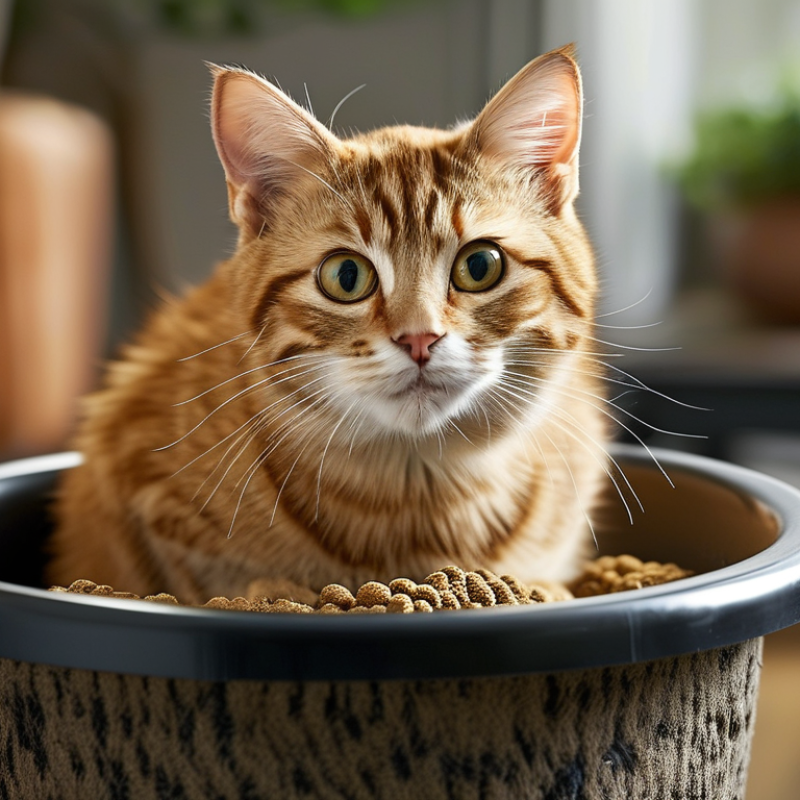
10 Essential Tips for Clean Cat Litter Management?

Understanding the Importance of Clean Cat Litter Management

Clean cat litter management is crucial for both your cat's health and the overall cleanliness of your home. A dirty litter box can lead to various health issues for your feline friend. Cats can develop urinary tract infections if they are exposed to contaminated litter over time. Additionally, a neglected litter box can emit unpleasant odors, which may impact your living environment. Regular cleaning prevents these issues and supports your cat's natural behavior.

Effective litter management involves understanding what type of litter works best for your cat. Some cats prefer clumping litter, while others may need non-clumping options. It's essential to observe their preferences and be open to experimenting. Cleaning the litter box daily is a fundamental task. However, it's common to let it slide due to a busy schedule. Remember, doing it every day fosters a hygienic environment for your cat. Regularly replacing the litter and thoroughly cleaning the box weekly is vital for maintaining an inviting atmosphere.

Being proactive about litter management reflects your commitment to your cat's well-being. Find a routine that fits your lifestyle, allowing for flexibility. If you ever miss a cleaning session, assess the impact it has on your cat and your home. This reflection will help reinforce the importance of consistency. Clean litter not only keeps your cat healthy but also enhances the overall quality of life for both you and your pet.

Choosing the Right Cat Litter: Types and Considerations

Choosing the right cat litter can greatly impact both your cat’s comfort and your home’s cleanliness. Various types are available, each offering unique benefits. Clumping litter is popular for its easy cleanup. It forms solid clumps, making removal simple. However, it may not be suitable for all cats, especially those with sensitivities. Non-clumping litter absorbs moisture but requires more frequent changes.

When selecting litter, consider your cat's preferences. Some cats are finicky and prefer softer textures. You might need to experiment with a few options. Observing your cat's reaction can help you make the best choice. Remember, the scent of the litter matters too. Fragrant litters can mask odors but may deter some cats.

Regular maintenance is key. Daily scooping prevents odors and keeps your home fresh. Change the litter completely every couple of weeks. This helps to establish a clean environment for your feline friend. It's a learning journey, and you may face challenges along the way. Adapting to your cat's needs means being patient and observant. After all, a happy cat leads to a happy home.

Establishing a Regular Cleaning Schedule for the Litter Box

Establishing a regular cleaning schedule for the litter box is essential for maintaining a fresh home environment. Cats are sensitive creatures, and a dirty litter box can lead to stress and avoidance behaviors. Aim for a twice-daily scoop; this helps manage odors and keeps the litter dry. It only takes a few minutes. Many cat owners find it easier to set reminders on their phones to stay consistent.

Beyond scooping, it's crucial to perform a thorough cleaning on a regular basis. Change the litter entirely every two weeks. This can be a reflective practice, allowing time to assess your cat's health. Observe changes in your cat’s behavior or bathroom habits—these signals can indicate potential health issues. Use unscented, non-toxic cleaning supplies to ensure safety.

Don’t skip washing the box itself. Rinse it with warm water and a mild soap, then dry it before adding new litter. Consider the location of the litter box, too. Ensure it’s away from heavy foot traffic, providing your cat with a sense of privacy. Regular maintenance not only keeps your home clean but also nurtures your bond with your feline friend.

10 Essential Tips for Clean Cat Litter Management

Tip Number Tip Description Frequency Estimated Time
1 Scoop daily to remove waste Daily 5 minutes
2 Change litter completely Weekly 15 minutes
3 Wash litter box with soap and water Monthly 20 minutes
4 Add baking soda for odor control Every litter change 5 minutes
5 Use clumping litter for easy cleaning Ongoing N/A
6 Keep litter box in a quiet, accessible location Ongoing N/A
7 Monitor litter box usage for health signs Daily 5 minutes
8 Place multiple litter boxes for multi-cat households Ongoing N/A
9 Consider using a litter box liner Every litter change 5 minutes
10 Keep extra litter on hand for unexpected needs Ongoing N/A

Techniques for Efficient Litter Box Cleaning and Maintenance

Maintaining a clean litter box is crucial for both the cat's health and your home's hygiene. Regular cleaning prevents odors and keeps the environment pleasant. Start by scooping the litter daily. This simple act prevents waste from accumulating and minimizes bad smells. Designate a specific time each day for this task to establish a routine.

When it comes to deep cleaning, consider doing it weekly. Empty the litter box entirely, wash it with soap and warm water, and thoroughly dry it before adding fresh litter. Observing your cat's habits can provide insights. If your cat avoids the box, it may indicate a cleanliness issue. Make it a habit to check for any signs of discomfort or changes in behavior.

Choosing the right litter material can also enhance maintenance. Some litters absorb moisture better, reducing odor. Additionally, using a lined box can facilitate easier cleaning. However, it can take time to find the right combination for your cat. Keep track of what works best, and don’t hesitate to make changes if needed. Pay attention to how your cat responds to any updates in the cleaning routine.

Managing Odors: Tips for a Fresh Litter Environment

Managing odors in your cat's litter area is essential for a fresh home environment. Regular maintenance plays a key role. Scoop the litter daily to remove waste. This simple task prevents odors from building up. Choosing the right litter type can also help. Some litters absorb moisture better, keeping smells at bay.

Ventilation is crucial. Ensure the litter box is in a well-ventilated area. An uncovered box tends to harbor more odors. However, litter boxes should not be placed near food or living areas. This helps minimize unwanted smells in your home. You might consider using air purifiers near the litter box. They can help remove particles and odors in the air.

Washing the litter box often is an important step too. Use warm water and mild detergent to clean it every few weeks. This eliminates lingering odors that scooping might not tackle. Reflect on your routine and notice if certain habits lead to increased odors. Adjusting your litter management with these strategies can create a fresher environment for both you and your cat.

FAQS

: Why is clean cat litter management important?

: Clean litter helps prevent health issues for cats. Dirty litter can lead to urinary tract infections and unpleasant odors.

How often should I clean the litter box?

Aim to scoop daily to prevent waste buildup. A weekly deep cleaning is also recommended for hygiene.

What types of cat litter are available?

Options include clumping and non-clumping litter. Each type has its benefits and varies in maintenance needs.

How do I choose the right litter for my cat?

Observe your cat’s preferences for texture and scent. Experimenting with different litters may help find the best fit.

What should I do if my cat avoids the litter box?

Check for cleanliness issues or changes in their environment. Changes in behavior may indicate discomfort or displeasure.

How can I establish a cleaning routine?

Designate a specific time each day for scooping. Consistency helps maintain a hygienic environment for your cat.

How do fragrance litters affect cats?

Fragrant litters mask odors but may deter some cats. Choose a scent that your cat tolerates for better comfort.

Is regular litter change necessary?

Yes, complete litter changes every couple of weeks support cleanliness. This helps keep the litter box inviting for your cat.

What are some tips for deep cleaning the litter box?

Empty the box, wash it with soap and warm water, then dry it thoroughly before re-adding clean litter.

How can I adapt my litter maintenance routine?

Be patient and observant. Track what works best for your cat, adjusting as needed to promote their comfort and well-being.

Conclusion

Effective management of clean cat litter is essential for both the health of your feline friend and the comfort of your home. This involves understanding the significance of maintaining a clean litter box, which not only prevents unpleasant odors but also encourages your cat to use it regularly. Choosing the right type of cat litter is crucial; consider factors like absorbency, texture, and dust levels that suit your cat’s preferences.

Establishing a consistent cleaning schedule is vital for litter maintenance. Regular scooping and complete litter changes, coupled with efficient cleaning techniques, can keep the litter box hygienic. Additionally, employing odor management strategies helps in creating a fresh environment for both you and your pet. By following these tips, you can ensure a positive litter experience that promotes the well-being of your cat while maintaining a clean and pleasant home.


Aria

Aria

Aria is a dedicated marketing professional with a deep passion for innovative strategies and a keen understanding of our company's product offerings. With a wealth of experience in the industry, Aria excels at crafting engaging content that highlights the unique features and benefits of our......